"Highly recommend doing this experience! It was enlightening and highlighted the Māori culture. It is interactive with lots of delicious food! We were definitely full by the end of the night. The guides were amazing, friendly, and so passionate about their culture. It was so smooth from pickup at the hotel by Dennis. And then Carpool karaoke at the end was also a blast! This was a highlight of my trip for sure!"
ROTORUA · TE ARAWA
Rotorua Māori Experience — Compare Every Format Before You Book
Four different things get sold as "a Māori experience" in Rotorua — a daytime village walk, a geothermal culture visit, an evening pōwhiri with a hāngī feast, and an iwi-guided day on the land. They are not substitutes. Work out which one you want first, then pick the operator.
From
$170
per person
Free cancellation
- 4.8 / 5 1,703+ Reviews
- 3 hours Duration
- 13 Experiences Compared
- 4 Formats Explained
- Free Cancellation
The Experience
Why This One Fills Up First
Te Pā Tū is the most-reviewed Māori cultural experience in Rotorua — and the one that changed what an evening visit looks like.
Highlights
- The most-reviewed Māori cultural experience in Rotorua — 1,703 reviews at 4.8
- Held in a forest pā under towering tawa trees, with bonfires and an amphitheatre formed by the land itself
- A plated seasonal menu rather than a buffet — the kai changes with the maramataka, the Māori lunar calendar
- Return transport from a central Rotorua meeting point is included in the price
- Photography and video are welcome throughout the whole evening
What's Included
- Traditional welcome ceremony
- Māori fusion feast
- In-vehicle air conditioning
- Māori Cultural Performance
- Return transport from central Meeting Point
Book Your Experience
Check Availability & Prices
Pick your date on Viator — instant confirmation, free cancellation up to 24 hours before departure.
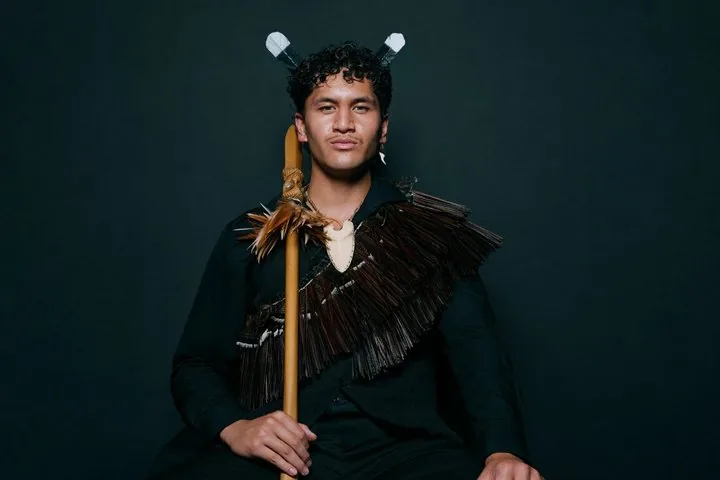
Te Pā Tū: Māori Cultural Experience & Seasonal Feast
- 4.8/5 (1,703 reviews)
- 3 hours
- Free cancellation
- Operated by Te Pa Tu - The Gathering Place
Includes Traditional welcome ceremony · Māori fusion feast · In-vehicle air conditioning
From $170 per person
Check Availability
You'll choose your date and complete the booking on Viator. Reserve now, pay later on most departures.
How Booking Works
Four steps from picking a format to sitting down to a hāngī.
Decide Day or Evening
Daytime visits are about the place — the geothermal valley, the carving school, a village people still live in. Evening experiences are about hosting: you are welcomed onto a marae, watch a performance, and eat. Most visitors who have time do one of each.
Check What the Meal Actually Is
Only some evening experiences open the hāngī pit in front of you; others serve a buffet or a plated menu that was cooked the same way without the ceremony. If watching the food come out of the ground matters to you, confirm it before booking.
Book the Date, Not Just the Tour
Evening sittings are capped by coach and table capacity and sell out days ahead in summer. Pick your date on Viator, where you can see the live times for each operator and reserve with free cancellation.
Arrange the Ride
Some evening experiences include hotel pickup, others expect you to arrive under your own steam. Rotorua's cultural venues sit on three different roads out of town, so check the pickup line on your voucher before the day.
How the Evening Actually Runs
What an Evening Māori Experience Really Looks Like
Most people book this expecting a dinner with a show attached. It is closer to the opposite: you are a manuhiri — a visiting group — and the evening is built as a formal welcome onto a marae, with the meal at the end. Nobody performs at you for three hours. You will be asked to choose a chief for your group, to stand still during a challenge, and to sing something. Here is the shape of it, start to finish.
- Pickup, and the group becomes a tribe — Most operators collect you from central Rotorua accommodation. On the way in, the guide explains that your busload is now a single visiting group and asks it to choose one person to represent it. This is not a gimmick — that person answers the challenge for everyone.
- The wero — the challenge — At the gate a warrior advances with a taiaha and lays down a token. Your chosen representative picks it up while holding eye contact. The whole group stands still and silent for this. It is genuinely tense, and it is the part people remember.
- The pōwhiri — the welcome — Karanga (the calling voice), whaikōrero (speeches), and then a waiata — a song — from the hosts, and one back from you. Groups are usually taught something simple on the bus. This is why the coach ride matters.
- The concert — Kapa haka: waiata, poi, stick games, and the haka. Forty minutes or so, seated, indoors or in a covered amphitheatre depending on the operator. Cameras are fine at every operator here.
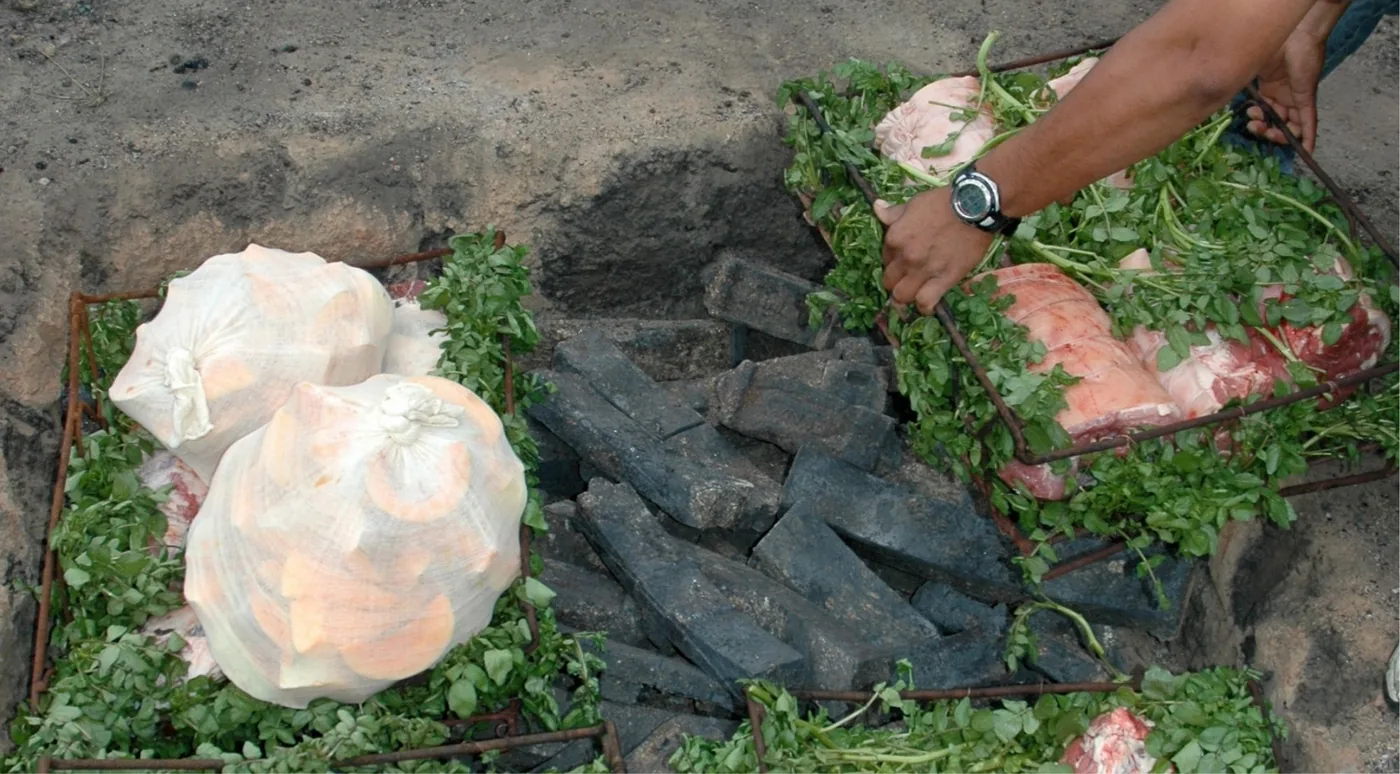
- Lifting the hāngī — At Mitai the pit is opened in front of you and the baskets come up out of the ground still steaming — the only one of these operators that makes a ceremony of it. Te Puia serves food cooked the same way without the lifting; Te Pā Tū serves a seasonal menu that follows the maramataka, the Māori lunar calendar.
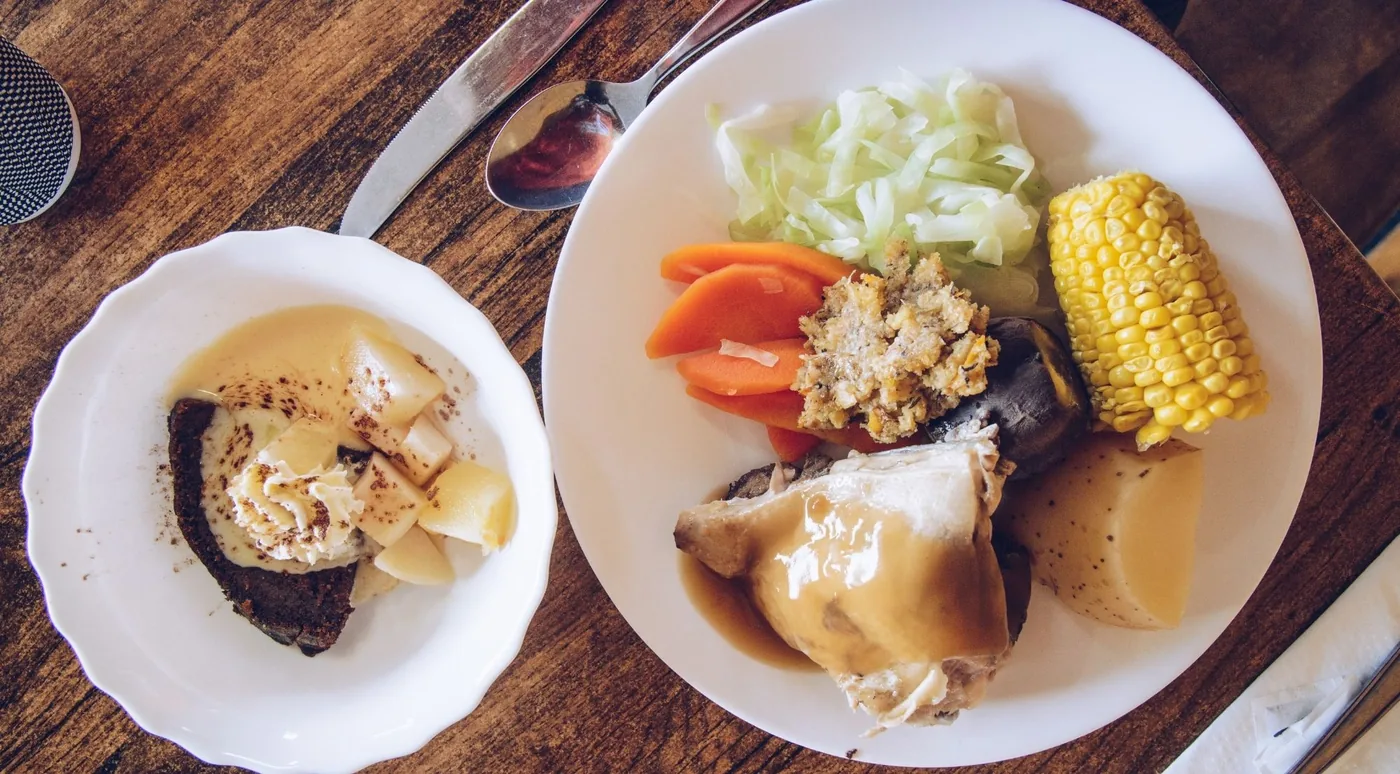
- The meal — Chicken, lamb or pork with kūmara, potato and cabbage, all cooked in the ground, then steamed pudding. Buffet at Mitai and Te Puia; plated courses at Te Pā Tū. Vegetarian is available everywhere if you flag it when booking, not on the night.
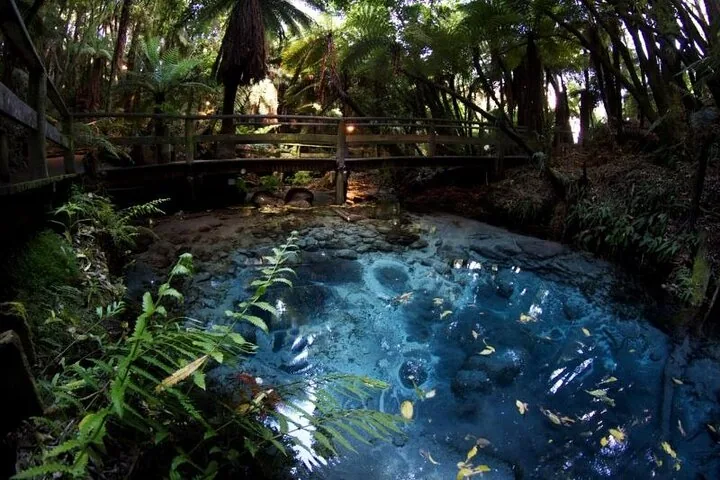
- The walk back — and the glow worms — Mitai finishes with a short bush walk to the Wai-o-Whiro spring and a glow-worm grotto; there are steps and uneven ground on that section. Other operators end at the table. You are back at your hotel by about 9.30pm.
Photo Gallery
Rotorua, Up Close
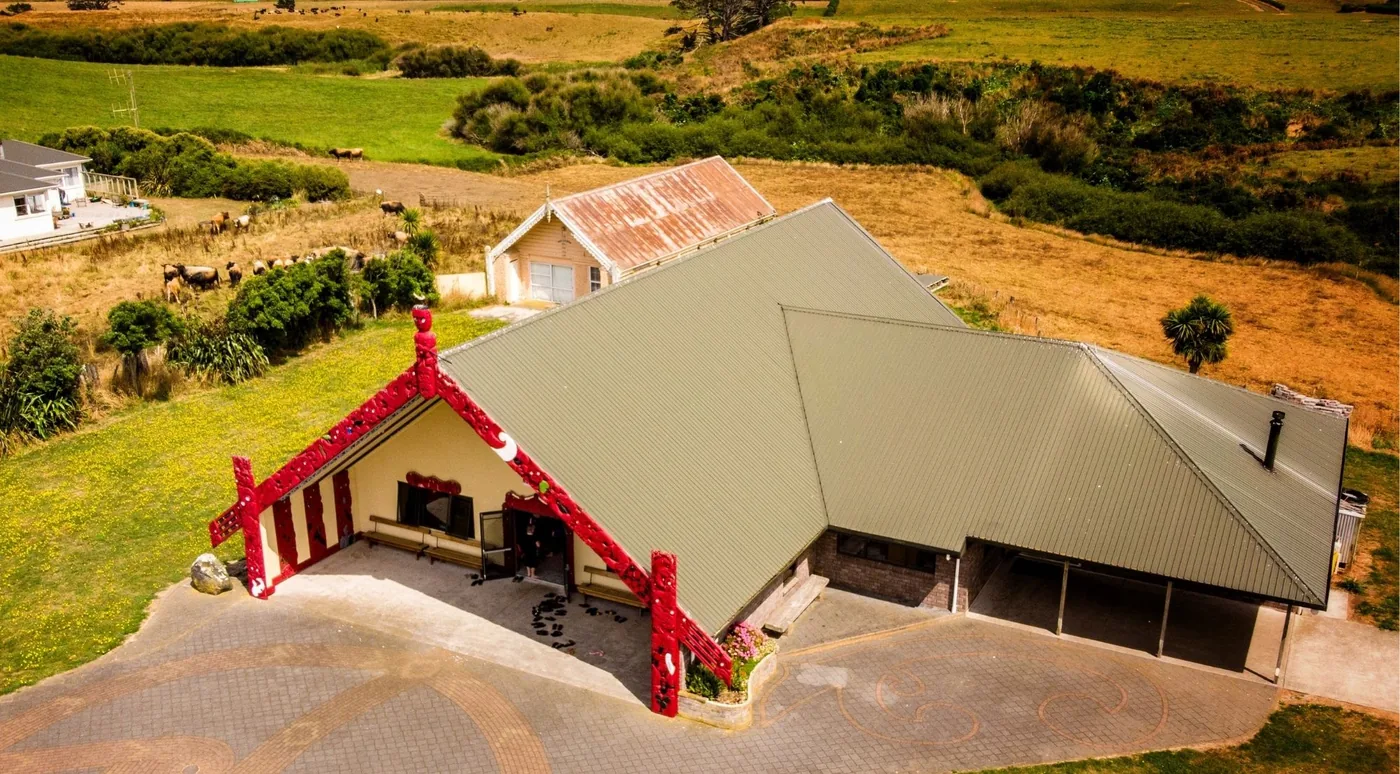
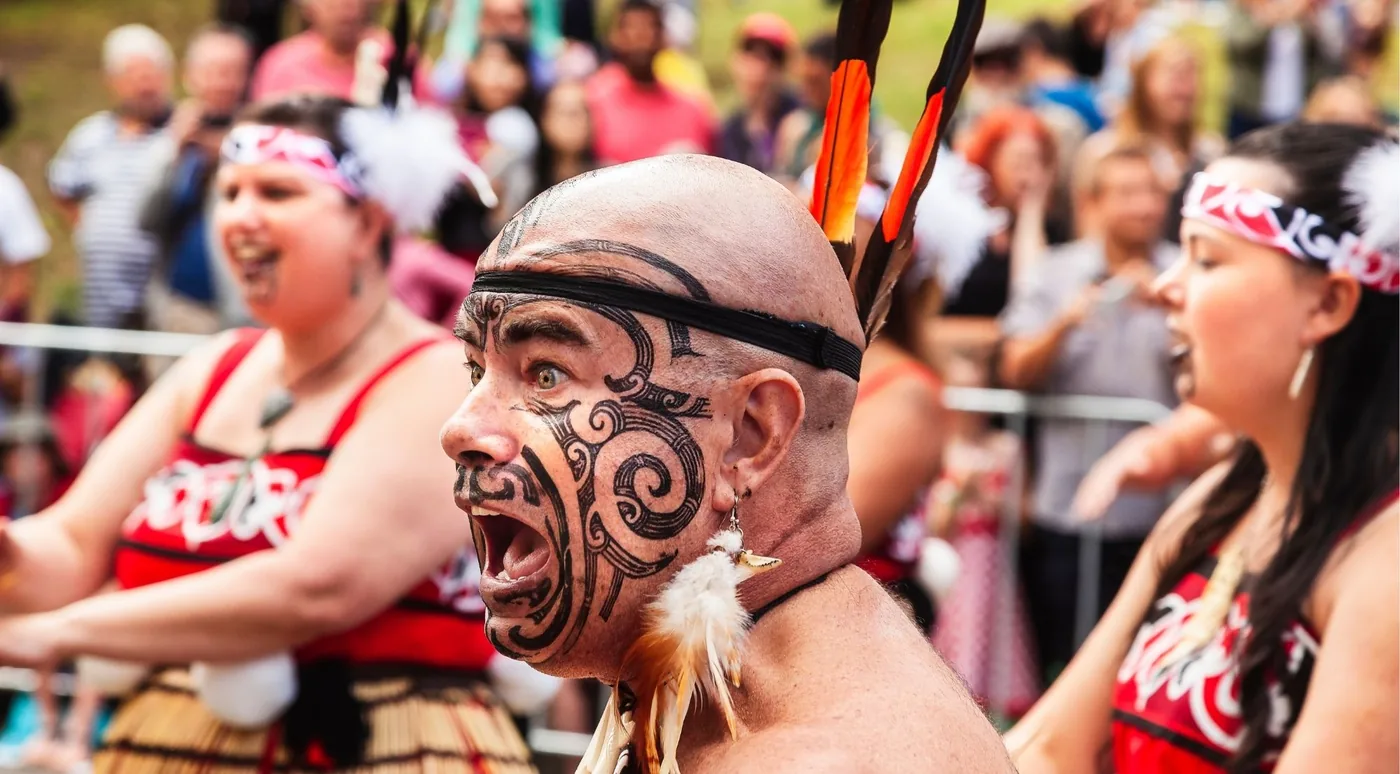
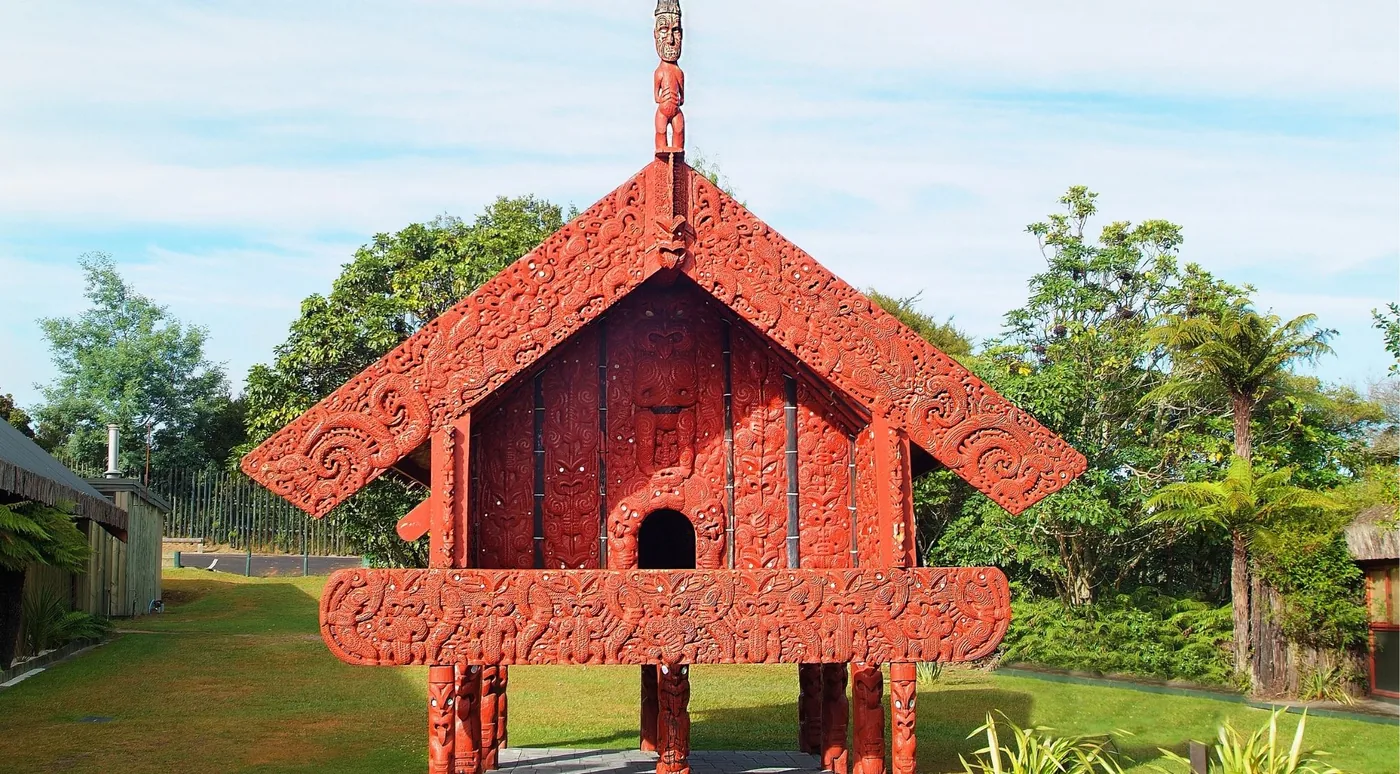
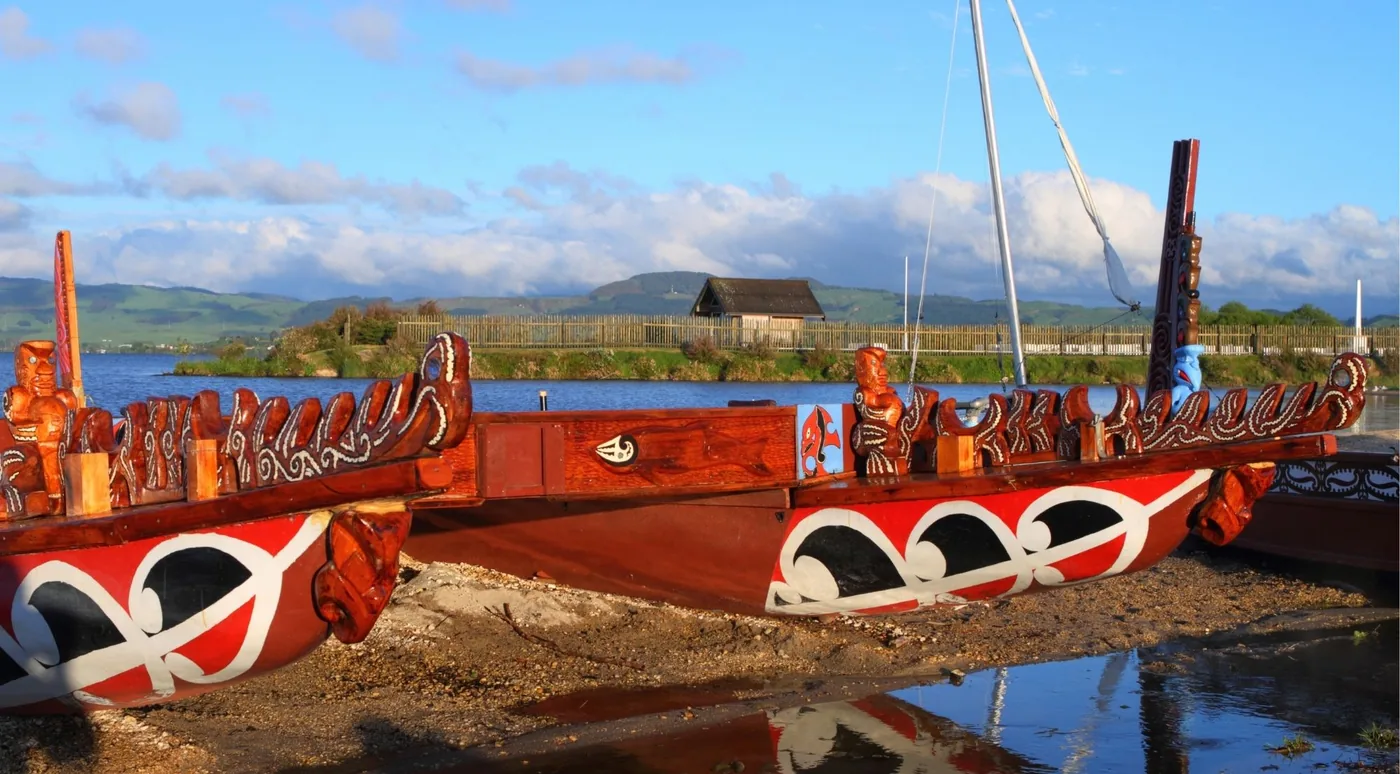
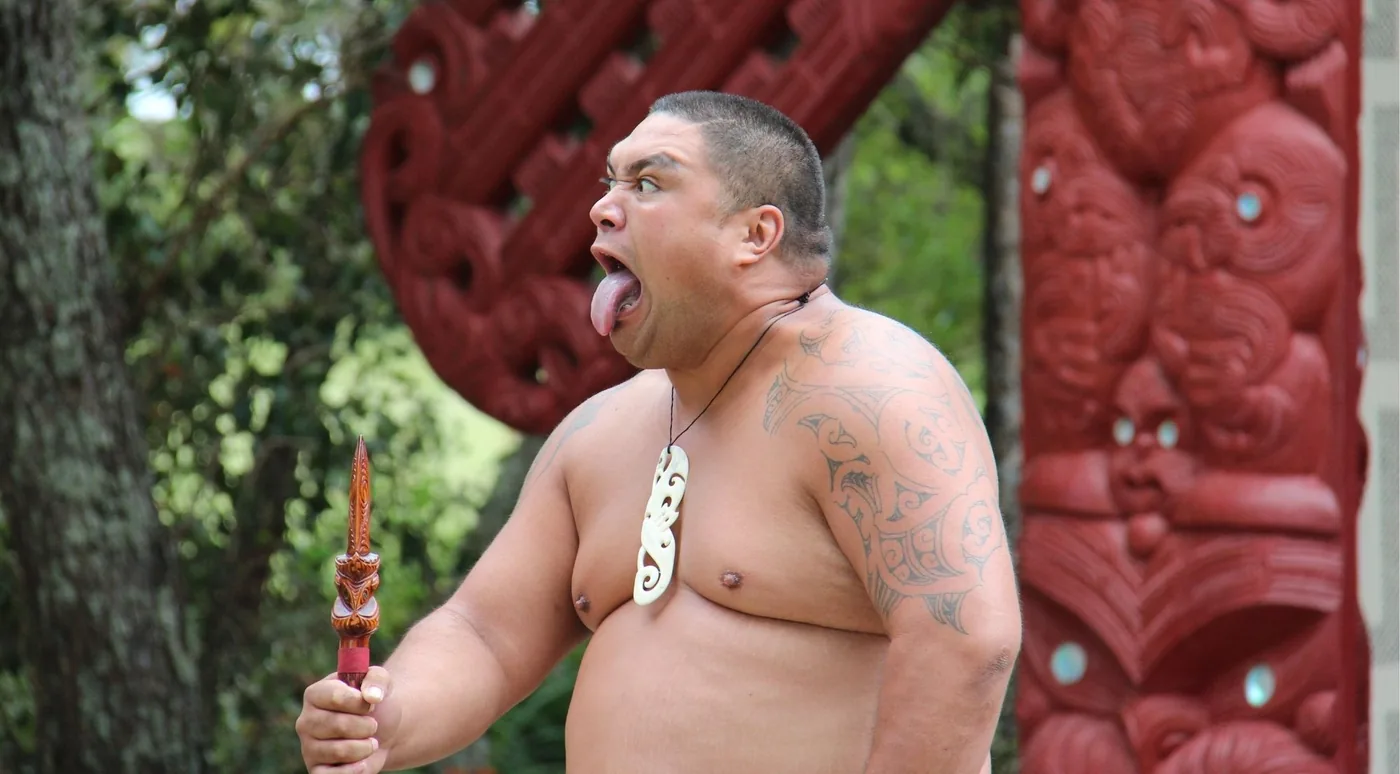
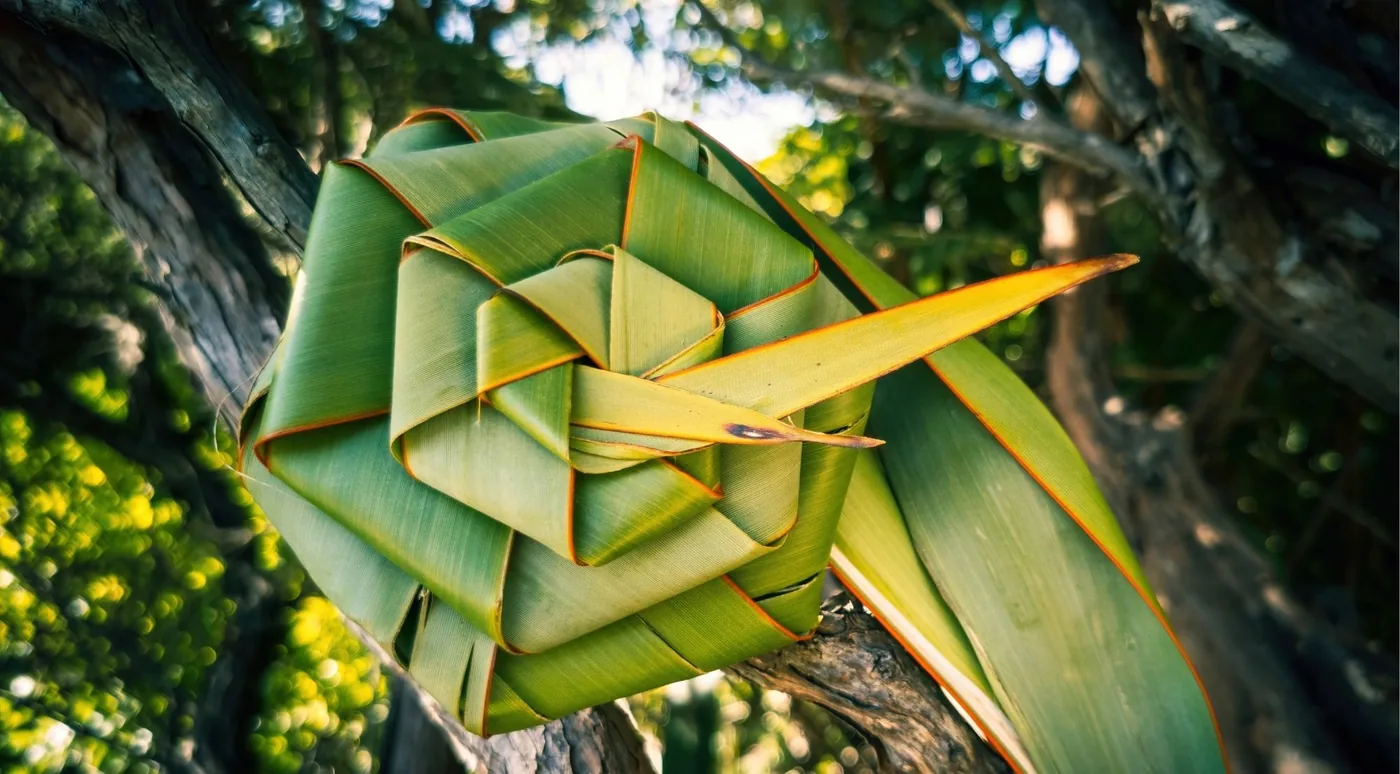
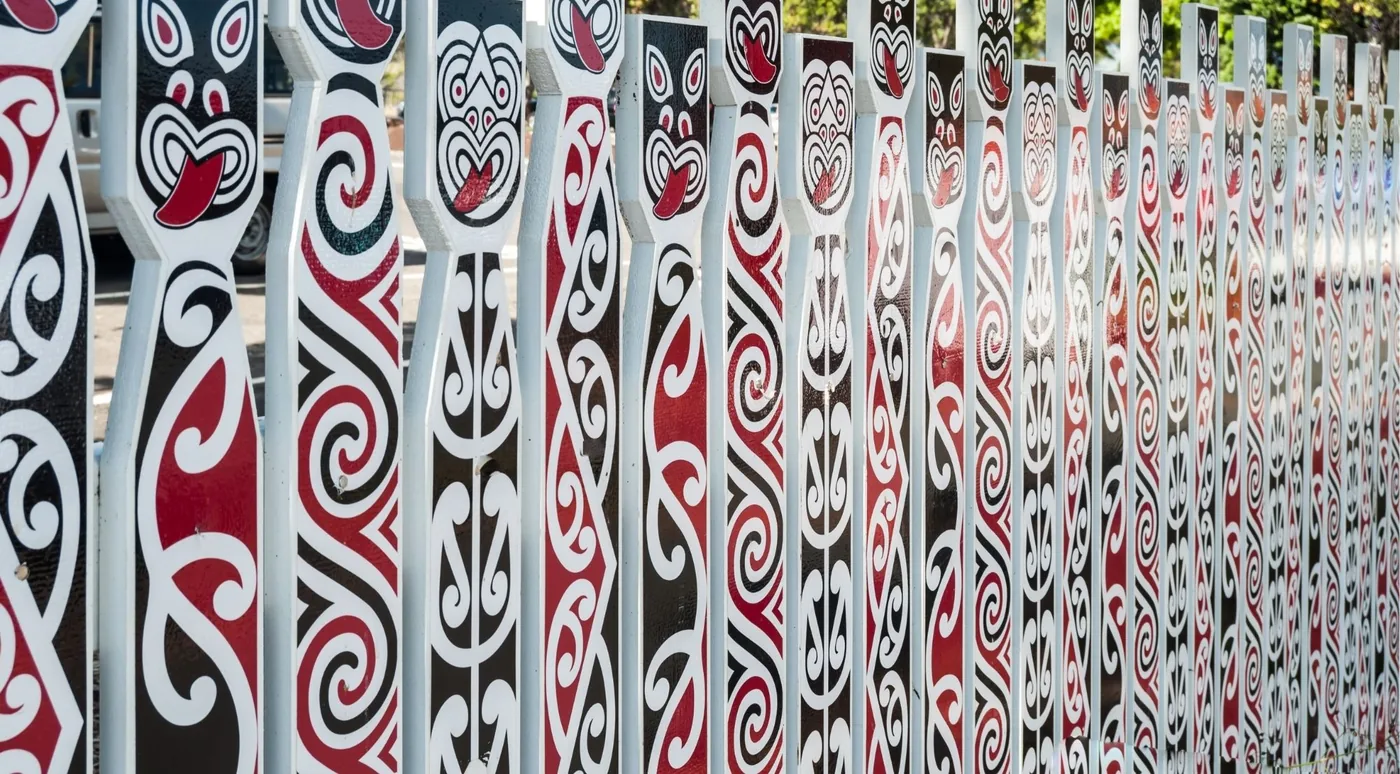
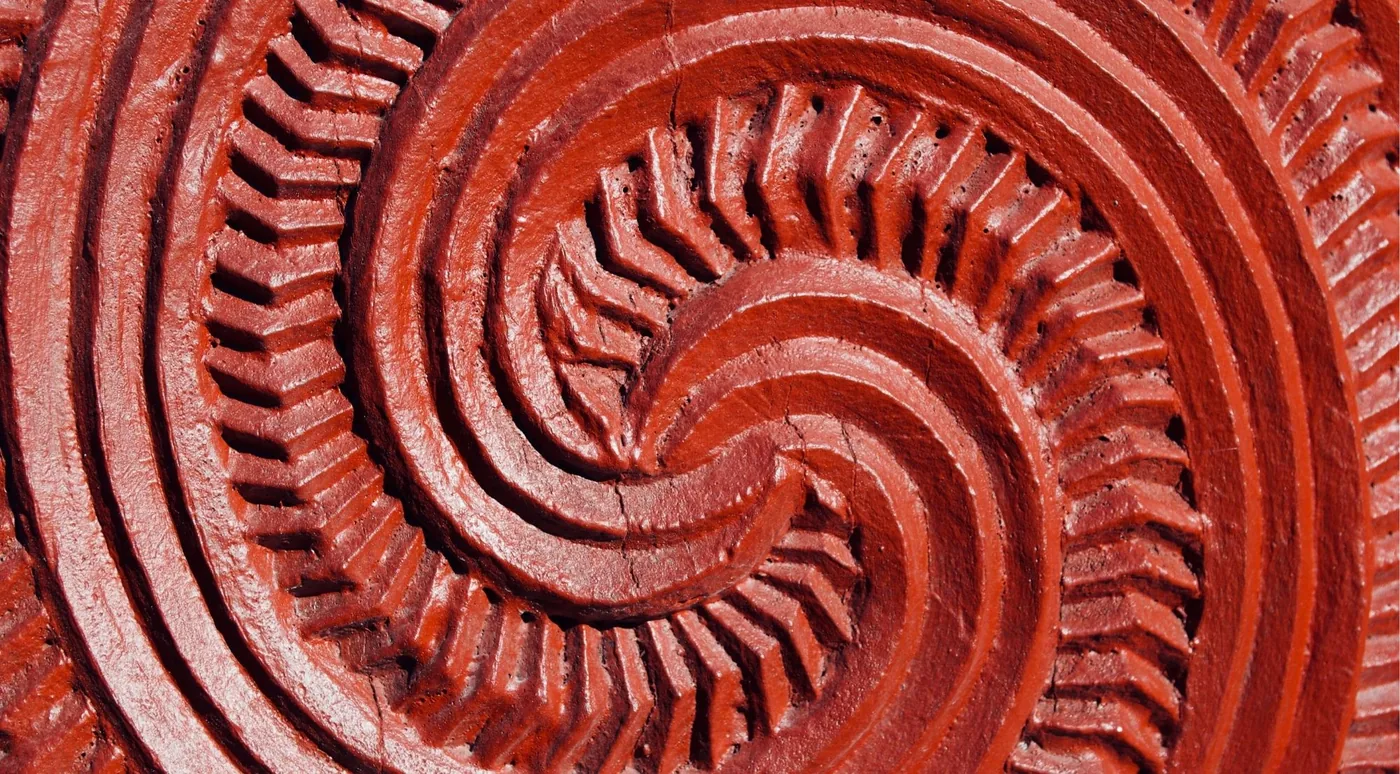
Carving, kai, steam and performance — the things every format has in common.
The Four Formats, Side by Side
"A Māori experience in Rotorua" is sold four different ways. They are not substitutes — this is what actually differs.
| Feature | MOST BOOKED Evening Pōwhiri & Feast | Living Village by Day | Geothermal & Carving | On Your Own |
|---|---|---|---|---|
| Typical price | $85 – $176 | $21 – $53 | $64 – $86 | Free – $30 |
| Time of day | Evening, from about 5pm | Daytime | Daytime (one evening option) | Any |
| How long | 2 – 4.5 hours | 30 min – 3 hours | 1 – 2 hours | As long as you like |
| Formal welcome onto a marae | ✓ Pōwhiri and wero | ✗ You walk in as a visitor | ✗ Marae shown, not entered formally | ✗ |
| Kapa haka performance | ✓ Full concert | ✓ On some tickets | ✓ On the haka combo | ✗ |
| A meal included | ✓ Hāngī or seasonal menu | ✗ | ✗ (Te Pō evening only) | ✗ |
| See the hāngī lifted from the pit | Mitai only | ✗ | ✗ | ✗ |
| Geysers and geothermal ground | Te Puia Te Pō only | ✓ Village vents in daily use | ✓ Pōhutu Geyser | ✓ From the roadside |
| Carving and weaving schools | ✗ | ✗ | ✓ | ✗ |
| Hotel pickup | ✓ On most | ✗ | ✗ | — |
| Free cancellation | ✓ | ✓ | ✓ | — |
| Best for | A single, big evening | Understanding how people live here | Geothermal plus the arts | A look, not an experience |
| Book an Evening |
Explore More
Other Rotorua Māori Experiences
Different formats, different price brackets — from a $21 performance to a full evening with dinner.
 LOWEST PRICE
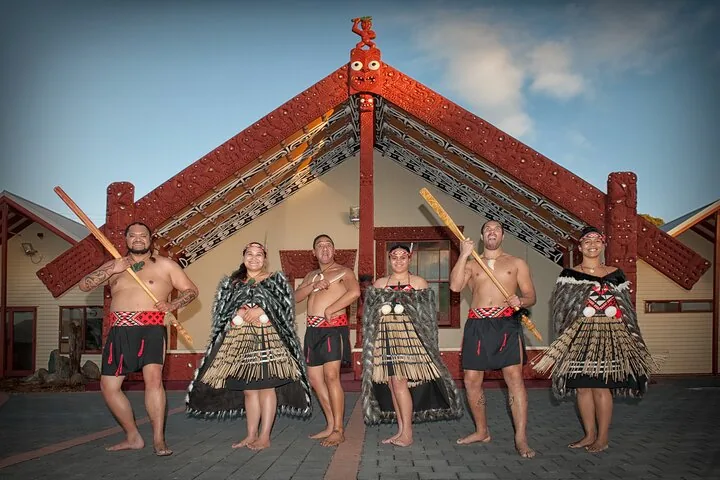
Cultural Performance at Whakarewarewa — The Living Māori Village
A 30 to 40 minute kapa haka performance by Tūhourangi Ngāti Wāhiao, the people of the village — the cheapest way to see a genuine Rotorua performance.
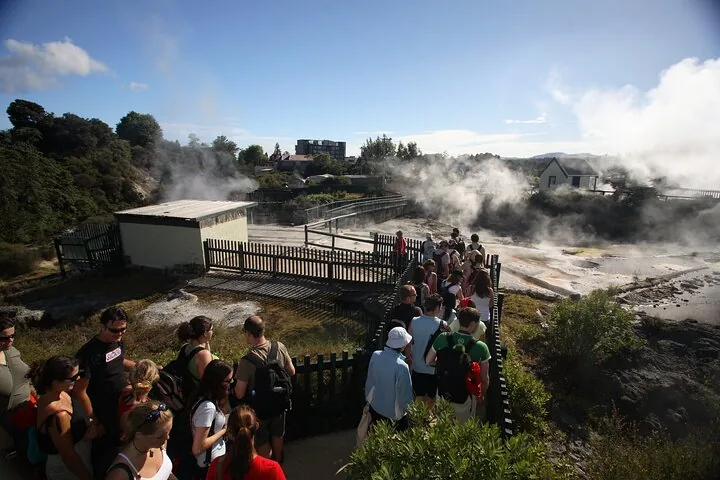 MOST REVIEWED BY DAY
Whakarewarewa Village Guided Tour — The Living Māori Village
An hour through a village where families still live on the geothermal field, guided by direct descendants of the Māori guides who shaped New Zealand tourism.
 GEYSER + CARVING
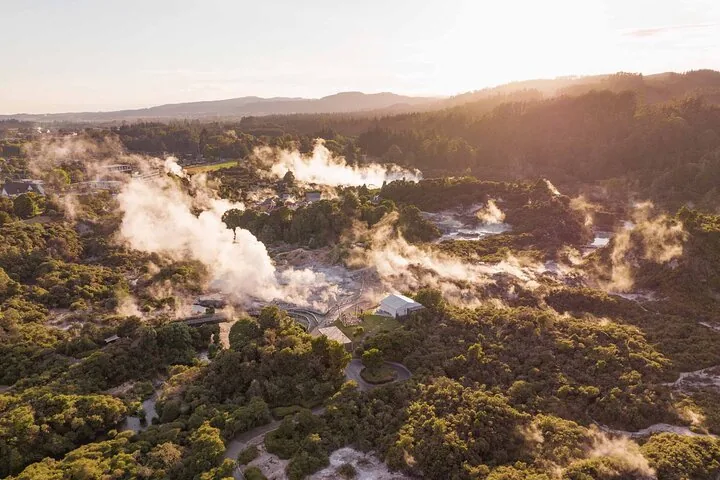
Te Puia: Te Rā Guided Experience
Ninety minutes through the Whakarewarewa geothermal valley with a kaiārahi guide — Pōhutu Geyser, the national carving and weaving schools, and the kiwi conservation centre.
 FOREST & GLOW WORMS
Mitai Māori Village Cultural Experience in Rotorua
The one Rotorua evening where the hāngī is lifted out of the ground in front of you — plus warriors on the waka, a full concert, and a bush walk to glow worms.
 FULL DAY ON THE LAND
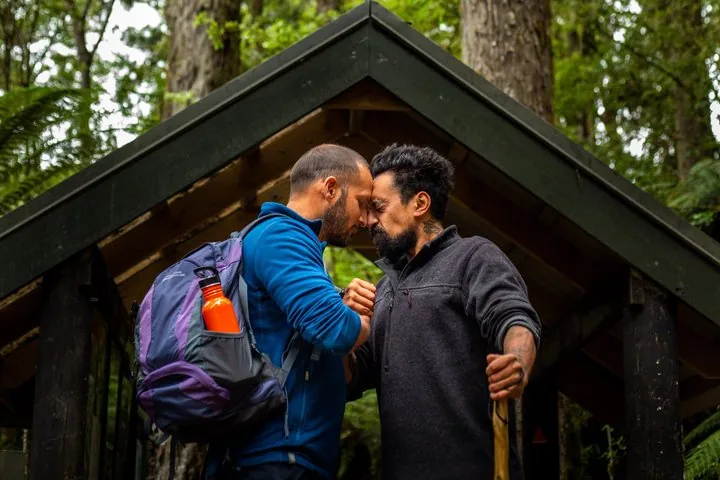
Whirinaki Forest Footsteps: Māori Guided Walk with Picnic
A full day out of Rotorua into Whirinaki's podocarp rainforest with Māori guides — mihi whakatau, 1,000-year-old tōtara, rongoā medicinal plants, and lunch in the forest.
Before You Book
Four Different Products, One Search Term
Why the thing you book matters more than who you book it with.
Search “Rotorua Māori experience” and you get a list. What the list does not tell you is that it contains four different products, priced from $21 to $176, that overlap far less than their marketing suggests. People book one, enjoy it, and only afterwards discover they missed the thing they actually came for. The most common version of that regret is booking an evening feast and never seeing a village, or booking a village and never seeing a haka. If you are new to all of it, start with what a Māori cultural experience is.
So the useful question is not which operator is best. It is which format you want.
The four formats
A living village, by day. Whakarewarewa is a residential village of Tūhourangi Ngāti Wāhiao families built on an active geothermal field. People live there now. They cook in the steam vents and bathe in the pools, and the guided tour — led by direct descendants of the guides who shaped New Zealand tourism a century ago — is about that daily reality rather than a staged past. It costs $33 and takes about an hour. Nothing else in Rotorua is quite like it, and it is the format most first-time visitors skip. Our guide to what happens on a village visit explains how it differs from Mitai and Te Puia.
A geothermal valley and the national arts schools, by day. Te Puia sits in the same valley and is routinely confused with Whakarewarewa, which is understandable: the two were once a single entity. Today they are separate organisations with separate entrances — Whakarewarewa on Tryon Street, Te Puia on Hemo Road — and a bolted gate between them. One ticket does not cover both. Te Puia is a 60-hectare site built around Pōhutu Geyser, the largest active geyser in the southern hemisphere, and the New Zealand Māori Arts and Crafts Institute, where carving and weaving are actively taught. If the confusion has caught you out before, the Whakarewarewa vs Te Puia comparison lays out exactly what each ticket buys.
An evening pōwhiri, concert and feast. This is what most people mean by “a Māori experience in Rotorua”, and it is the busiest category. Te Pā Tū — the operator formerly known as Tamaki Māori Village — runs a three-hour evening in a forest pā, with a menu and waiata that shift with the maramataka, the Māori lunar calendar. Mitai sends warriors down the Wai-o-Whiro stream in a waka taua and finishes with a bush walk to glow worms. Te Puia’s Te Pō puts you inside an active geothermal field after dark, with hot chocolate at the geyser terrace. Between them these three account for most of the reviews in this niche, and choosing between them is the subject of its own three-way comparison.
A day on the land with an iwi guide. Whirinaki Forest Footsteps leaves Rotorua entirely for a podocarp rainforest of thousand-year-old tōtara, opening with a mihi whakatau rather than a staged welcome and spending the day on rākau rongoā, the medicinal plants. There is no performance and no hāngī. It is the format that reads least like a tourist product, and it takes seven hours.
The evening is not a dinner show
The single biggest mismatch of expectation is what an evening actually is. Visitors book it as dinner-with-entertainment and arrive to find the first forty minutes are a formal welcome in which their group has obligations. You will be asked to choose someone to represent you, to stand silent through a wero — a challenge delivered with a taiaha at close range — and to sing something back to your hosts. Guides teach a simple waiata on the coach for exactly this reason. Our guide to what to expect from the performance explains the rest of the programme, from pōwhiri to poi.
The food comes last, and it varies more than the brochures imply. Only Mitai opens the hāngī pit in front of guests and lifts the baskets out of the ground; that ceremony is the thing people describe afterwards. Te Puia cooks the same way but serves straight to a buffet overlooking the valley. Te Pā Tū serves plated seasonal courses. All three are hāngī in the technical sense. Only one of them is a hāngī you watch. What actually ends up on the plate, from kūmara to rēwena bread, is in our guide to hāngī food. Durations vary by format too — a standalone performance is 30 minutes, a full evening is three hours, and our duration guide breaks down what each length actually includes, and our guide to booking dinner or show-only lists what the extra two and a half hours add.
What this actually costs
The floor is $21, for a 30-to-40-minute performance at Whakarewarewa with no tour attached — genuinely good value if you want to see kapa haka performed by the people who live there and nothing more. The ceiling is $176 for Te Puia’s evening combo. In between: $33 for the village tour, $53 to add the geothermal trails, $64 for Te Puia by day, $85 for Mitai in daylight, $103 for Mitai in the evening, $124 for Te Puia’s Te Pō, $170 for Te Pā Tū. Our full price breakdown covers what each tier actually includes, not just the headline number.
There is no free equivalent. Whakarewarewa, Te Puia, Mitai and Te Pā Tū are all ticketed, and the revenue supports the communities and arts schools that run them. You can see carved waka on the lakefront and smell the geothermal field from the road for nothing, but that is a look, not an experience.
The combination most people should book
If you have one slot, book an evening — it is the fullest single experience and the one with the formal welcome. If you have two, do a daytime village or valley visit and an evening feast at a different venue. They repeat each other far less than you would expect, and the daytime visit is what makes the evening legible: you have seen the carving school, so the meeting house means something; you have seen a family’s cooking vent, so the hāngī is not a novelty.
If you are still deciding, our guide to picking the right format walks the decision in order — day or evening first, then meal, then operator — and names the specific tour at each branch. And before you pay, our what-to-know-before-you-book guide covers the mistake that trips up most first-timers — booking what looks like a dinner show and finding out too late it’s a performance-only ticket.
One last practical note. Every experience here books with free cancellation, and evening sittings are capped by coach and table capacity, so they do sell out days ahead over summer. There is no advantage to leaving it late and a real risk in doing so — our guide to booking in advance shows how far ahead each situation needs, and the cancellation policies guide covers the terms to check before you pay. Already in town? The same-day booking guide covers what is realistic at short notice. If a shuttle transfer matters to your plans, our meeting points and transport guide covers which operators include pickup and which don’t.
Guest Reviews
What Visitors Say
4.8/5
from 1703 verified guests
Ratings and review counts are the operators' live figures on Viator and Tripadvisor and may shift slightly day to day.
"Learning about arts, crafts, songs and stories of Māori was very interesting. Various family members presented during the evening and their pride and desire to share their culture was evident."
"From the pickup to the drop off this was a great experience. Everyone who I interacted with was very professional and wanted to share. The fire ceremony was wonderful, the interactive exhibits were interesting, and the dinner was delightful. Read more"
"We would rate this higher than a five if we could. This was one of the best culturally experiences we have attended. Right from the start the staff , bus driver, and the members of the family that performed the dances, songs and shared their anRead more"
"We travelled as a group of five adults. It is suitable for all degrees of mobility. Dietary restrictions were taken into account. The welcome ceremony at the start of our visit underlined the importance and spiritual significance of said ceremony. ThRead more"
"Beautiful introduction to Maori culture. I am on crutches and was provided a chair to sit during the tour. Very kind and considerate. Several of the girls "broke character" and were sitting to the side chatting to each other when they were not Read more"
Read all 1703 verified reviews
See All ReviewsPick Your Format, Then Your Evening
A village walk, a geothermal visit, an evening pōwhiri and hāngī, or a day on the land with an iwi guide — thirteen experiences compared, with free cancellation on every one. Starting from $170 per person.
Check Availability & BookCan't Make These Dates?
Browse More Available Options
Find a tour that fits your schedule — all with instant confirmation and free cancellation.
Rotorua Māori Experience FAQ
The questions people actually ask before booking — including the two that get answered wrong most often.
There is no single best one, because the four formats are not competing versions of the same thing. If you want one big evening — a formal welcome, a concert and a meal — book Te Pā Tū, Mitai or Te Puia's Te Pō. If you want to understand how people actually live on a geothermal field, take the daytime guided tour at Whakarewarewa. If you want geysers and the carving and weaving schools, that is Te Puia by day. If you want a full day on the land with an iwi guide, that is Whirinaki. Our format guide walks through the decision in order, and our what-to-know-before-you-book guide covers what's actually included on each ticket.
They sit in the same geothermal valley and were once a single entity, but today they are two separate organisations with two separate entrances — Whakarewarewa at 17 Tryon Street, Te Puia at 20 Hemo Road — and a bolted gate between them. One ticket does not cover both. Whakarewarewa is a village where families still live and cook in the steam; Te Puia is a 60-hectare cultural centre built around Pōhutu Geyser and the national carving and weaving schools. This is the single most common mix-up in Rotorua, so we wrote a full comparison.
From $21 for a cultural performance on its own at Whakarewarewa, up to $176 for a full evening at Te Puia with dinner. The daytime village tour is $33, Te Puia's daytime Te Rā experience is $64, Mitai's evening with hāngī is $103, and Te Pā Tū is $170. Evening experiences cost more because they include a performance and a meal (only Te Pā Tū adds return transport); daytime tickets are admission plus a guide. Our full price guide covers exactly what each tier includes.
No. Whakarewarewa, Te Puia, Mitai and Te Pā Tū are all ticketed, and the money supports the communities and the arts schools that run them. You can walk parts of Rotorua's lakefront and see carved waka and the Government Gardens without paying, and you can smell the geothermal field from the road, but there is no free equivalent of a guided village visit. The cheapest genuine option is the $21 cultural performance at Whakarewarewa. Our guide to what happens on a village visit explains what each ticket covers.
You take part, at least a little. An evening experience is built as a pōwhiri — a formal welcome — so your group chooses someone to accept the challenge, everyone stands still during the wero, and the group sings a waiata back to the hosts. Guides teach a simple song on the coach. Nobody is dragged on stage, but sitting through it as a pure spectator is not really how the evening is designed. Our guide to the performance explains what each part involves.
A hāngī is food cooked in a pit on stones heated in a fire — meat and root vegetables in baskets, buried under cloth and earth for hours. Only Mitai makes a ceremony of lifting the baskets out of the ground in front of guests. Te Puia serves food cooked the same way but brings it straight to the buffet, and Te Pā Tū serves a plated seasonal menu that follows the maramataka, the Māori lunar calendar. If watching the pit opened matters to you, that narrows it to one operator. Our guide to hāngī food covers what is served and which venues cater for vegetarians and vegans.
Yes, and most visitors do. The daytime formats run 30 minutes to 3 hours, so Whakarewarewa or Te Puia fits comfortably into a morning or afternoon, leaving the evening free for a pōwhiri and feast at a different venue. Doing a daytime visit and an evening one on the same day is the most common two-experience combination in Rotorua, and they do not repeat each other.
Yes. Every operator here states the experience is suitable for all fitness levels, infants can travel in a pram or stroller, and specialised infant seats are available on the transported evening tours. Two things worth knowing: the wero is deliberately confronting and can startle small children, and Mitai's closing bush walk to the glow worms has steps and uneven ground.
Largely yes, but check the detail on the tour you pick. Whakarewarewa states all areas and surfaces are wheelchair accessible; Te Puia and Te Pā Tū state the venue and the transport are accessible, and Te Pā Tū can carry collapsible wheelchairs with removable wheels if the passenger travels with someone who can help them board. Mitai is the exception: accessibility is limited on the bush walk, where the forest exit is via stairs, and wheelchair users will not see the glow worms.
On most evening experiences, yes — Te Pā Tū includes return transport from a central meeting point, and Mitai runs courtesy transfers from Rotorua accommodation, though places on those are limited. Daytime experiences at Whakarewarewa and Te Puia do not include pickup; both have free on-site parking, and Te Puia's car park is directly at the main entrance on Hemo Road. Our meeting points and transport guide covers exact addresses and every pickup option in detail.
Every experience on this site is bookable with free cancellation, so there is no reason to leave it to the day. Evening sittings are capped by coach and table capacity and do sell out days ahead over the summer holidays and at peak season, and Te Puia's daytime Te Rā experience is flagged as likely to sell out. Reserve the date, then change it if your plans move. Our guide to booking in advance shows how far ahead each situation needs, and the cancellation policies guide covers the terms to check on your ticket. If you are already in Rotorua, the same-day booking guide covers what is realistic at short notice.
Not really — these run nightly, year-round, and the performance and the meal are indoors or under cover. Season changes two things at the edges: Rotorua's geothermal steam is far more visible on cold winter mornings, which makes the daytime valley walks more photogenic in July than in February, and Te Pā Tū's menu and waiata change with the maramataka, so a summer visit and a winter visit are genuinely different evenings there.
Still have questions? Email us at info@rotoruamaoriexperience.com
Keep Exploring
Explore More
Every Rotorua Māori experience and planning guide on this site, in one place.
All Experiences
- Mitai Māori Village Rotorua: Hāngī Lifted From the Pit
- Te Pā Tū Rotorua: Māori Feast & Performance | From $170
- Te Puia Te Pō Evening Experience with Dinner, Rotorua
- Te Puia Te Rā + Haka, Rotorua: Valley Tour & Performance
- Te Puia Te Rā Guided Experience, Rotorua | From $64
- Voyages of Māori at Mitai Māori Village, Rotorua — Daytime
- Whaka Trails & Māori Village Combo, Rotorua | From $53
- Whakarewarewa Cultural Performance, Rotorua | From $21
- Whakarewarewa Village Guided Tour, Rotorua | From $33
- Whirinaki Forest Footsteps: Māori Guided Walk from Rotorua
Guides
- Rotorua Māori Experience With Dinner vs Cultural Show Only: What Each Ticket Includes
- What Is a Māori Cultural Experience? A First-Time Visitor's Guide to Rotorua
- Rotorua Māori Dinner & Hāngī: What Food Can You Expect?
- What Happens at a Rotorua Māori Village Experience?
- Can You Book a Rotorua Māori Experience on the Same Day?
- Do You Need to Book a Rotorua Māori Experience in Advance?
- Rotorua Māori Cultural Performance: What to Expect from the Show
- Rotorua Māori Experience Cancellation Policies: What to Check Before Booking
- How Long Does a Rotorua Māori Experience Take?
- Meeting Points, Pickups and Transport, Explained
- Rotorua Māori Experience Prices: What Does a Ticket Include?
- What to Know Before You Book a Rotorua Māori Experience
- Māori Cultural Show in Rotorua
- Rotorua Hāngī Dinner and Concert
- Te Pā Tū vs Mitai vs Te Puia
- Whakarewarewa vs Te Puia
- Which Rotorua Māori Experience Is Right for You?