How Long Does a Rotorua Māori Experience Take?
From a 30-minute performance to a 4.5-hour evening combo — typical durations for every format, what eats into your buffer, and how to compare tickets that quote different things.
Durations here run from 30 minutes to 4.5 hours, and the label on the ticket doesn’t tell you which end you’re at — “Te Puia” alone could mean a 90-minute daytime visit or a combination evening past the four-hour mark. For most visitors the useful planning range is 1.5 to 3 hours, but the right length depends on what you actually want during that time.
Check Availability
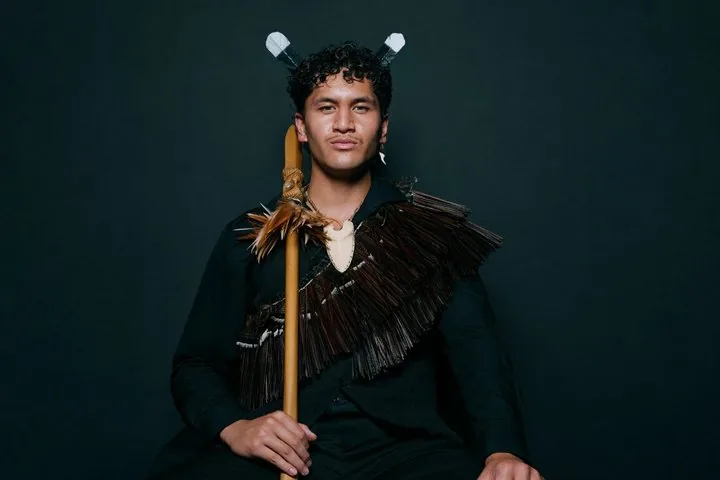
Te Pā Tū: Māori Cultural Experience & Seasonal Feast
- 4.8/5 (1,703 reviews)
- 3 hours
- Free cancellation
- Operated by Te Pa Tu - The Gathering Place
Includes Traditional welcome ceremony · Māori fusion feast · In-vehicle air conditioning
You'll choose your date and complete the booking on Viator. Reserve now, pay later on most departures.
The quick answer
| Format | Typical duration | Example |
|---|---|---|
| Standalone cultural performance | 30–40 minutes | Cultural Performance at Whakarewarewa |
| Guided village or geothermal visit | 1–1.5 hours | Whakarewarewa village tour, Te Puia Te Rā |
| Culture + daytime meal | 2 hours | Voyages of Māori at Mitai |
| Full evening with hāngī | 3 hours | Te Pā Tū, Mitai, Te Puia Te Pō |
| Guided attraction + culture + dinner combo | 4.5 hours | Te Puia Te Pō Combo |
These are planning ranges, not universal rules, and always check exactly what the advertised duration includes before you book.
Other Experiences
Other experiences you might enjoy
More ways to experience Māori culture in Rotorua — all bookable with free cancellation.
Why the venue name alone doesn’t tell you the duration
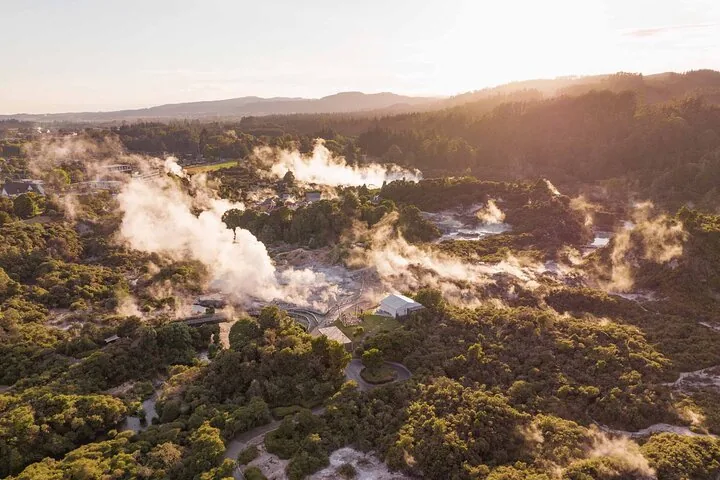
Te Puia sells several products at different lengths, and it’s the clearest example of why you need to check the specific ticket rather than the venue. Its standard guided experience runs around 90 minutes; the cultural-performance combination takes longer at around two hours; Te Pō runs as a full evening with dinner, performance and a geothermal component at three hours; and Te Pō Combo adds a guided visit before dinner, taking it past four hours.
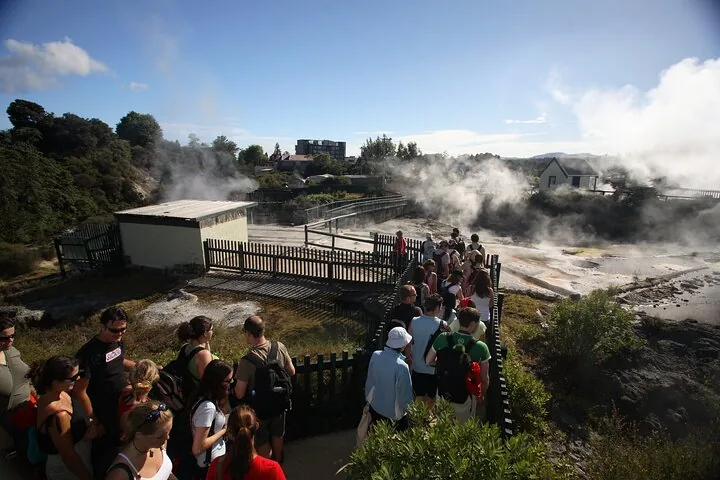
The same applies to a standalone performance — Whakarewarewa’s cultural show itself is only 30–40 minutes, but visitors regularly combine it with a living-village tour or the geothermal trails, which changes the total considerably. Always check whether a listed duration refers to the performance only, the guided tour, the whole attraction, or the complete ticket package.
Is 90 minutes enough, or do you need longer?
Yes, if your priority is the cultural programme itself rather than a full dinner evening. A 90-minute experience can cover a welcome, storytelling, waiata, poi, haka, weapon or instrument demonstrations, and a village or geothermal component — everything except the meal. It’s a good fit if you only have one day in Rotorua, already have dinner plans, or are travelling with younger children.
Around two hours gives enough time to add food to the culture — a typical two-hour programme might pair a welcome and performance with a daytime hāngī lunch, plus some storytelling or a short village component. That’s a solid daytime choice for day-trippers who don’t want to commit a whole evening.
Three hours is the standard for the fuller evening format: arrival and welcome, cultural interpretation, ceremonial elements, a full performance, hāngī dinner, and usually some walking between areas or a forest or village component. If a Māori experience is one of the main highlights of your Rotorua stay, a 2.5–3 hour evening is the natural choice — and longer isn’t automatically better. Shorter suits you if you have one day, want several other attractions, have young children, already have dinner plans, or prefer daytime activities. Longer suits you if Māori culture is a major priority, this is your first New Zealand trip, you want a hāngī, you enjoy guided storytelling, or you’re after a complete evening rather than a taste of one. The real question isn’t just how long it is, but what’s included during that time.
Check-in, hotel pickup, hāngī and haka-only timing
Treat check-in as additional time on top of the advertised duration. If your experience is listed at three hours, don’t schedule another commitment exactly three hours after the start — add time for parking, reception, ticket collection, toilets, and any children’s or dietary arrangements. A three-hour experience can realistically occupy 3.5 hours of your itinerary, and shared transport adds more on both ends: an early pickup, additional hotel stops on the route, and the return drop-off afterwards. A three-hour experience with hotel pickup can keep you away from your accommodation for considerably longer than three hours — see our meeting points and transport guide for which operators include it.
If a hāngī is the priority, allow roughly 2–3 hours for most meal-inclusive experiences — the meal is only one part of the programme, alongside the hāngī explanation itself, the cultural show, storytelling and any walking or village component; see what to expect from a hāngī dinner and concert evening for the full shape of one. If you only want to see haka, you need much less time — it’s usually one component of a broader performance, so a 30–90 minute experience is enough if performing arts are your priority.
Fitting it into your itinerary
Culture and geothermal sightseeing combine easily into one day: geothermal attraction in the morning, the Redwoods, lakes, a spa or central Rotorua in the afternoon, then a 2.5–3 hour Māori cultural experience with dinner in the evening — or choose Te Puia or Whakarewarewa, where culture and geothermal Rotorua are already combined on one ticket.
A day trip works too, particularly for a daytime programme. If you’re returning to Auckland, Hamilton, Tauranga or Taupō after an evening experience, factor in the late drive — an overnight stay in Rotorua is more comfortable for the longer dinner experiences. For families, the longest ticket isn’t automatically the best one: a 90-minute experience can be easier on toddlers, while older children often enjoy the longer programmes because they move between performance, food, demonstrations and outdoor settings. Check the finishing time, not just the stated duration, and leave at least 30 minutes of buffer afterwards — experiences can run slightly late because of meal service, questions, group movement, weather or shuttle logistics.
As a rough starting point: budget 60–90 minutes for a half-day slot, 2–3 hours if a Māori evening is your main activity for the day, and 3–4.5 hours if you’re building a comprehensive culture-and-geothermal visit around it.
Frequently Asked Questions
How long is a standalone Māori cultural performance?
Around 30–40 minutes for the show itself, though many visitors combine it with a living-village tour or the geothermal trails, which adds considerably to the total time on site.
Does the advertised duration include check-in?
Usually not — treat it as additional. Add time for parking, reception, ticket collection, toilets, and any dietary or accessibility discussions on top of the listed length, and don’t book anything immediately afterwards.
Does hotel pickup add extra time?
Yes. Shared transport adds an early pickup, stops at other hotels along the route, and the return drop-off, so a three-hour experience with pickup included can keep you away from your accommodation for noticeably longer than three hours.
What should I check when comparing durations between tickets?
Whether the duration covers the whole experience or just part of it, whether check-in and hotel transfer are additional, whether food is included, and whether geothermal attractions or a guided village component are part of the same ticket. Two tickets quoting “3 hours” can include very different things.
What’s the most common timing mistake?
Assuming every experience lasts three hours, or confusing a performance’s own length with the total visit. Forgetting transport time and booking something immediately afterwards are the other two that catch people out — the longest option isn’t automatically the right choice either.
Pick Your Format, Then Your Evening
A village walk, a geothermal visit, an evening pōwhiri and hāngī, or a day on the land with an iwi guide — thirteen experiences compared, with free cancellation on every one.
Check Availability & Book