Rotorua Māori Cultural Performance: What to Expect from the Show
Much more than a haka: pōwhiri, waiata, poi, wero and storytelling. What happens at a Rotorua Māori cultural performance, how long it lasts and how the venues differ.
A Rotorua Māori cultural performance is much more than a haka. Depending on the venue, a performance may include pōwhiri, waiata, mōteatea, poi, haka, traditional weapons, tī rākau, storytelling and explanations of Māori history and customs.
Some shows last around 30 minutes and can be added to a daytime visit. Others form part of a much longer cultural experience with hāngī, village storytelling, waka or geothermal attractions. If this is your first visit, our first-time visitor’s guide explains the rest of the programme.
Check Availability
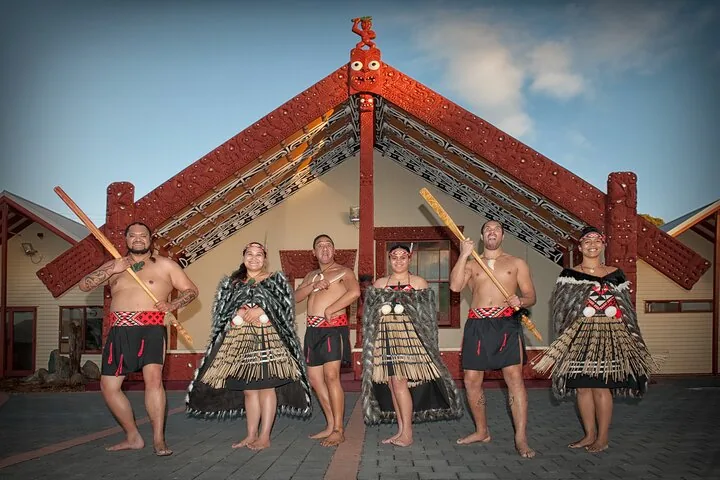
Cultural Performance at Whakarewarewa — The Living Māori Village
- 4.6/5 (38 reviews)
- 30-40 minutes
- Free cancellation
- Operated by Whakarewarewa, The Living Maori Village
Includes Cultural Performance
You'll choose your date and complete the booking on Viator. Reserve now, pay later on most departures.
Quick answer: what happens?
A typical performance may include:
- pōwhiri – ceremonial welcome
- wero – traditional challenge
- waiata – songs
- mōteatea – traditional chants
- poi
- haka
- traditional weapons
- tī rākau
- storytelling
You won’t necessarily see every one of these at every venue.
Is it just a haka show?
No. Haka is the part many international visitors recognise, but it is only one element within a wider performing tradition.
A good cultural performance provides context so visitors understand what they are seeing, not just a dramatic stage show to watch.
Other Experiences
Other experiences you might enjoy
More ways to experience Māori culture in Rotorua — all bookable with free cancellation.
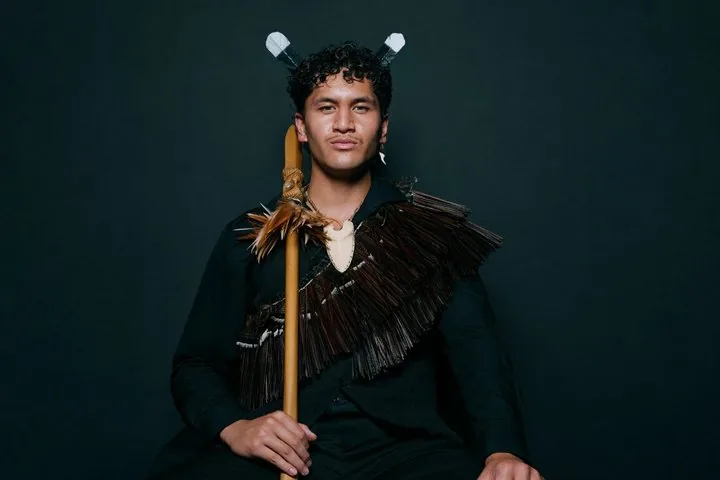
What is haka?
Haka is a form of Māori performance involving coordinated movement, voice, rhythm and expression. It is often associated internationally with challenge and strength, partly because of New Zealand rugby, but describing every haka as a “war dance” is too simplistic.
Different haka have different purposes.
Will you definitely see a haka?
If you book a product specifically advertised as a Māori cultural performance at one of the major Rotorua venues, haka is commonly included. But a venue may also sell general admission or guided tours without the show, so always check your exact ticket.
Our guide to every way to see a Māori cultural show in Rotorua compares the options by length and price.
What is a pōwhiri?
A pōwhiri is a traditional welcoming process. In a visitor experience it may mark the beginning of the cultural encounter and can include several stages.
You aren’t expected to know what to do in advance. Follow the guidance of your hosts.
What is a wero?
A wero is a ceremonial challenge. Its movements can look intense to first-time visitors, but the context is ceremonial.
The Voyages of Māori experience at Mitai names wero among its performances, and the evening formats generally open with one. Our three-way comparison shows how the three big evenings differ.
What is waiata?
Waiata means song. Songs can carry:
- histories
- stories
- remembrance
- genealogy
- emotion
- identity
The quieter waiata can provide a striking contrast with the energy of haka.
What is mōteatea?
Mōteatea are traditional chants. You don’t need to understand te reo Māori to appreciate the performance because hosts provide context.
What is poi?
Poi involves weighted objects attached to cords that are swung rhythmically as part of performance. It is visual and energetic, which often makes it especially engaging for children.
What is tī rākau?
Tī rākau involves rhythmic stick movements and games. Whakarewarewa’s programme may include it, though the ticket listing itemises only song, dance and kapa haka. Treat it as likely but not guaranteed.
Will you see traditional weapons?
At some experiences, yes. Demonstrations of ancestral weapons and traditional instruments are part of the wider tradition, but the Mitai listing mentions warriors on the waka and instruments alongside the haka without itemising weapons. If weapons are what you want to see, ask before you book.
Is there storytelling?
Usually, yes, especially in longer experiences. Whakarewarewa uses performing arts to share stories connected with Tūhourangi Ngāti Wāhiao, and Mitai combines performance with wider cultural storytelling.
How long does a cultural performance last?
A standalone show can last around 30–45 minutes, while the broader experience may last hours.
| Venue/product style | Performance/visit length |
|---|---|
| Standalone show | ~30 minutes |
| Guided + show | ~1.5–2 hours |
| Dinner evening | ~2.5–3 hours |
| Full combo | 4+ hours |
Our duration guide breaks down what each length includes.
Mitai performance style
Mitai’s broader cultural programme includes:
- waka
- pōwhiri
- wero
- waiata
- mōteatea
- poi
- haka
- weapons
- instruments
- storytelling
The performance is built into a longer cultural journey and isn’t sold as a short stage show. See the Mitai evening experience for the full three-hour programme.
Te Puia performance style
Te Puia’s cultural performance takes place within a carved meeting-house setting and can include:
- pōwhiri
- waiata
- mōteatea
- poi
- haka
Visitors can combine it with geothermal sightseeing and the Māori Arts and Crafts Institute, as in Te Puia’s Te Rā + Haka, or see it as part of an evening with dinner at Te Puia’s Te Pō.
Whakarewarewa performance style
Whakarewarewa’s shorter show, the Cultural Performance at Whakarewarewa, features:
- Māori song
- dance
- kapa haka
Poi and tī rākau may also feature, but the listing doesn’t itemise them. You can add the guided living-village tour on a separate ticket.
Will you understand what is happening?
Yes. Visitor performances are designed for people encountering Māori culture for the first time. You may hear te reo Māori, but English-language explanation helps international visitors follow the context.
Is audience participation required?
Not at a standalone show. You may be invited to participate in some light-hearted or educational moments, but don’t expect to be forced on stage. An evening built around a pōwhiri is different: your group is asked to choose someone to accept the challenge and to sing a waiata back to the hosts, though nobody is dragged up to perform.
Is the haka intimidating?
It can be intense at close range. You may see:
- strong facial expressions
- forceful movement
- loud vocalisation
- rhythmic body movement
Understanding the cultural context makes the intensity much easier to appreciate.
Children
Major Rotorua cultural performances are family-friendly. Children often enjoy:
- haka
- poi
- waka
- music
- movement
- stick games
Very young children may find the louder moments surprising.
Do you sit down?
Usually during the core show, yes. But longer experiences may involve walking between different areas before and after the performance.
Indoors or outdoors?
It depends on the venue. Te Puia’s performance takes place indoors in a carved meeting house, while Mitai combines indoor and outdoor environments.
Dress for the full experience, not just the show.
What should you wear?
No formal clothing is required. Choose:
- comfortable shoes
- practical travel clothes
- warm layer
- waterproof layer when needed
Can you take photos?
Policies vary, so follow host instructions, especially around ceremonial moments. Te Pā Tū’s listing states that photography and video are welcome throughout the whole evening.
Even when filming is permitted, consider watching part of the performance without a phone.
Is it respectful or too touristy?
Rotorua has a long history of Māori communities welcoming visitors. A visitor performance is clearly designed for tourism, but the strongest experiences are those in which Māori hosts control how their culture, stories and traditions are presented.
Cultural performance vs full cultural experience
A cultural performance centres on performing arts. A full experience can add:
- guided storytelling
- village tour
- hāngī
- waka
- geothermal landscape
- carving
- weaving
- forest walk
Which should you choose?
Choose a standalone performance if:
- short on time
- keeping costs down
- mainly interested in performing arts
- already have meal plans
A short show is also the easiest to fit in at short notice, as our same-day booking guide explains.
Choose a longer experience if:
- Māori culture is a major priority
- you want more explanation
- you want hāngī
- you want village, forest or geothermal context
Behaviour
You don’t need complicated etiquette. Just:
- arrive on time
- listen to hosts
- respect photography rules
- do not mock ceremonial actions
- participate respectfully when invited
- supervise children
Common misconceptions
- “It’s just a haka.” — It is usually much broader.
- “Haka means war dance.” — Too simplistic.
- “Every Rotorua show is the same.” — They vary substantially.
- “You have to participate.” — Usually not.
- “All shows include dinner.” — They do not.
- “Longer is always better.” — Not necessarily.
Final answer
A Rotorua Māori cultural performance usually combines far more than haka. Depending on the venue, you may experience pōwhiri, wero, waiata, mōteatea, poi, haka, tī rākau, storytelling, weapons and traditional instruments.
Choose a short show if you mainly want performing arts. Choose a longer cultural experience if you want the performance supported by storytelling, food and direct cultural context.
Pick Your Format, Then Your Evening
A village walk, a geothermal visit, an evening pōwhiri and hāngī, or a day on the land with an iwi guide — thirteen experiences compared, with free cancellation on every one.
Check Availability & Book