Rotorua Māori Dinner & Hāngī: What Food Can You Expect?
What you eat at a Rotorua hāngī dinner: earth-cooked chicken, lamb and kūmara, rēwena bread, salads, seafood and dessert, plus how Mitai, Te Puia and Te Pā Tū differ on food and dietary needs.
A Rotorua Māori cultural dinner is usually built around hāngī, the traditional Māori method of cooking food with heat held in the earth. But a modern Rotorua hāngī meal is rarely just one plate of meat and vegetables.
The big visitor experiences combine hāngī-cooked chicken or lamb, kūmara and vegetables with rēwena bread, salads, seafood, contemporary New Zealand dishes and desserts. Menus change, so check the current offering for your date.
Check Availability
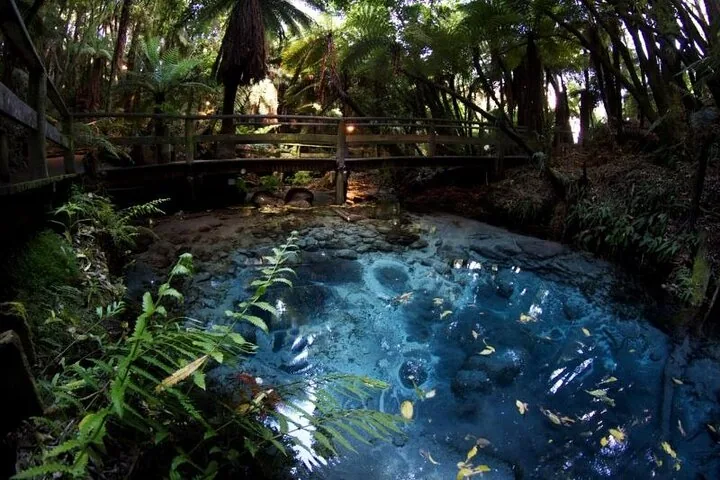
Mitai Māori Village Cultural Experience in Rotorua
- 4.6/5 (1,442 reviews)
- 3 hours
- Free cancellation
- Operated by Mitai Maori Village
Includes Hangi served from a buffet alongside other side dishes and dessert · Courtesy transfers from local accommodation …
You'll choose your date and complete the booking on Viator. Reserve now, pay later on most departures.
Quick answer: what might you eat?
Typical foods can include:
- hāngī chicken
- lamb or other meats
- kūmara
- pumpkin
- potatoes
- stuffing
- vegetables
- rēwena bread
- fried bread
- salads
- soups
- seafood
- pavlova
- steamed pudding
- seasonal desserts
No single venue serves all of these on one night, and menus change, so check the current offering for your date.
What exactly is a hāngī?
A hāngī is a cooking method, not a dish. Food is slowly cooked in an earth oven: stones are heated in a fire, the food is placed over them in baskets, and everything is covered so the heat and steam stay trapped.
At cultural experiences the hāngī is usually prepared before guests arrive and, at some venues, unveiled during the programme.
Other Experiences
Other experiences you might enjoy
More ways to experience Māori culture in Rotorua — all bookable with free cancellation.
What does hāngī taste like?
Expect food that is closer to slow-cooked or steamed than grilled. Meat and vegetables tend to come out:
- tender
- moist
- softly textured
- subtly earthy or smoky
It is not a spicy cuisine.
What meat is served?
Chicken is the most common. Depending on the venue and the menu, you may also find:
- lamb
- pork
- ham
- venison
Te Puia’s published dinner menu, for example, lists hāngī chicken and hāngī minted lamb alongside wild New Zealand venison. Do not treat any one meat as guaranteed unless it is listed for your specific meal.
Is kūmara served?
Very often. Kūmara, the Māori sweet potato, is one of the foods most closely associated with hāngī, and Mitai names it alongside meat and chicken in its own description of the meal.
Is the whole buffet traditional hāngī food?
Usually not. Modern Rotorua cultural dinners pair the earth-cooked food with:
- salads
- bread
- seafood
- contemporary New Zealand dishes
- desserts
The hāngī is one important part of a wider meal.
What is rēwena bread?
Rēwena is a Māori fermented potato bread, slightly sour and dense. It may appear as bread on the table, in stuffing or as part of other dishes. Te Puia lists rēwena breads among the starters on its lunch menu.
Is fried bread served?
At some experiences, yes. Fried bread is a common addition to Māori food, but it is not on every menu.
Te Puia dining style
Te Puia serves its hāngī as a buffet at the Pātaka Kai restaurant, which looks out over the geothermal valley. On the Te Pō evening experience, the buffet includes:
- hāngī meats
- kūmara and pumpkin
- salads
- rēwena bread
- kai moana (seafood), such as mussels and oysters on the dinner menu
- additional meats, such as venison and mānuka-smoked salmon
- desserts
- native-inspired flavours
That makes Te Puia the better fit for visitors who want a wide buffet rather than a narrowly hāngī-focused meal. Water, tea and coffee are included, and the evening ends with hot chocolate at the geyser terrace.
Mitai dining style
Mitai puts the traditional hāngī at the centre of its cultural programme. The meal sits inside an evening that also includes:
- waka
- performance
- storytelling
- the forest setting
- the sacred spring
- glow worms on the evening programme
Think of the Mitai evening experience as a cultural evening with dinner more than a restaurant meal. The hāngī is served from a buffet with side dishes and dessert, and tea and coffee are included.
Te Pā Tū dining style
Te Pā Tū does it differently again. The evening opens with kai horotai, indigenous canapés, and continues after a torch-lit walk to a plated three-course “fusion feast” served at the table. The menu and the evening’s theme change with the seasons of the maramataka, the Māori lunar calendar, so a summer visit and a winter visit are different meals.
Can you see the hāngī being opened?
At one of the big evenings, yes. Mitai includes the unveiling of the traditional hāngī in its meal-inclusive experiences: the earth comes off and the baskets are lifted in front of guests before the buffet is served.
Te Puia cooks the same way but brings the food straight to the restaurant, and Te Pā Tū serves plated courses. If watching the hāngī come out of the ground matters to you, book Mitai.
How long does it cook?
Hours. Mitai says its food cooks in the ground for three to four hours before it is served, and the exact process depends on the venue and the programme.
Is it a buffet?
At Mitai and Te Puia, yes, and the advantage is that you can sample several dishes. Te Pā Tū is the exception, with plated courses.
Is hāngī food heavy?
It can be a substantial meal. Meat, root vegetables, bread and dessert can easily replace your main meal of the day, so if you have booked a full hāngī dinner, skip the big late lunch.
Are there lighter options?
The larger buffets usually include:
- salads
- vegetable dishes
- seafood
- fruit
- lighter sides
Vegetarian options
Te Puia and Te Pā Tū both offer vegetarian food, while Mitai says only that some dietary requests can be met. Te Puia’s menus mark vegetarian dishes with a V, and Te Pā Tū’s vegetarian option must be requested when you book. Check the menu before assuming.
Vegan options
Not every Rotorua hāngī experience suits vegans. Mitai says on its own site that “given the nature of Maori Kai (food), we are unable to cater to all the dietary needs such as vegan options.” Te Puia’s published buffet menus, by contrast, label vegan dishes (VE) on both lunch and dinner.
Menus change, so confirm before you book.
Gluten-free options
Many individual dishes can be gluten-free, and Te Puia labels them GF on its menus. Anyone with coeliac disease or a severe allergy should still ask about:
- cross-contamination
- shared utensils
- sauces
- gravies
- preparation areas
Buffet labels alone may not be enough.
Allergies
Contact the venue before you book and explain serious allergies clearly. Do not wait until you reach the buffet.
Desserts
Desserts vary, but may include:
- pavlova
- steamed pudding
- ice cream
- chocolate desserts
- seasonal fruit
Is pavlova a traditional Māori hāngī food?
No. Modern cultural dinners combine traditional Māori cooking methods with wider New Zealand cuisine. That is normal, and it should not be mistaken for a historical reconstruction of a meal.
What is kawakawa?
Kawakawa is a native plant used in Māori food traditions and in contemporary New Zealand cooking. You may find it in:
- ice cream
- sauces
- glazes
- seasoning
Other Māori foods you may encounter
Depending on the venue:
- rēwena bread
- fried bread
- kūmara
- watercress
- kawakawa
- horopito
- boil-up
- seafood
- hāngī meats
Drinks
Do not assume alcohol is included. Mitai includes tea and coffee and has a bar where alcohol is sold. Te Puia’s Te Pō includes water, tea, coffee and hot chocolate, with alcohol available to buy. Te Pā Tū’s ticket excludes alcoholic drinks.
Lunch vs dinner
Lunch and dinner programmes can differ in:
- duration
- menu
- the surrounding cultural programme
- forest or geothermal components
- finishing time
Mitai’s daytime Voyages of Māori serves the hāngī as a buffet lunch inside a two-hour programme starting at 11am, and Te Puia’s Pātaka Kai runs a hāngī buffet at lunch as well as dinner. Choose lunch if you are on a day trip or travelling with younger children. Choose dinner if you want a complete evening.
Is dinner better?
Not automatically. Dinner gives you the atmosphere and a fuller evening, but lunch can be more convenient. At Mitai, only the evening includes the glow worms.
Is hāngī worth the extra cost?
It can be, if you would otherwise pay separately for dinner. The extra cost usually also covers:
- a longer cultural programme
- more storytelling
- the evening setting
- more attractions around the meal
Our price guide shows what each ticket includes, and the three-way comparison sets the three evenings side by side.
Should you book just for the food?
Probably not. The strongest reason to choose a hāngī dinner is the way the food fits into a wider cultural experience. If fine dining is your only priority, Rotorua has plenty of independent restaurants.
Children
The basics (chicken, potatoes, kūmara and vegetables) are familiar enough for most children, and the larger buffets give them choice. Parents of very selective eaters should still check the menu.
Common misconceptions
- “Hāngī is one specific dish.” It is primarily a cooking method.
- “Every hāngī tastes identical.” No.
- “It’s basically barbecue.” Not really: the food is steamed in the ground.
- “The whole buffet is traditional.” Usually not.
- “Every Māori experience includes dinner.” No, as our guide to what each ticket includes explains.
- “Every buffet works for vegans.” Do not assume.
What to check before booking
- Is food included?
- Lunch or dinner?
- Buffet or plated?
- Which foods are cooked in the hāngī?
- Are drinks included?
- Can your dietary needs be met?
- Is there a hāngī unveiling?
- Is a cultural performance included?
- Is transport included?
- How long is the full experience?
For the rest of the evening, from the welcome to the concert, see our guide to the hāngī dinner and concert.
Final answer
A Rotorua hāngī usually centres on meat, chicken, kūmara and vegetables slow-cooked with heat in an earth oven, but modern cultural dinners include much more.
Think of a hāngī dinner as part of a wider Māori cultural experience as well as traditional food to try. The cooking method, the people sharing it, and the stories and performances around the meal matter at least as much as what is on the plate.
Pick Your Format, Then Your Evening
A village walk, a geothermal visit, an evening pōwhiri and hāngī, or a day on the land with an iwi guide — thirteen experiences compared, with free cancellation on every one.
Check Availability & Book