Rotorua Māori Experience Prices: What Does a Ticket Include?
Adult prices run from $21 to $176 because the tickets are genuinely different products. What each price tier includes, and how to compare tickets that aren't selling the same thing.
Rotorua Māori experience prices vary widely because the tickets themselves are genuinely different products — a short cultural performance costs a fraction of a full evening with a hāngī dinner, haka, storytelling, a guided village element and geothermal attractions. The useful question isn’t which experience is cheapest. It’s what you’re getting for the price.
Check Availability
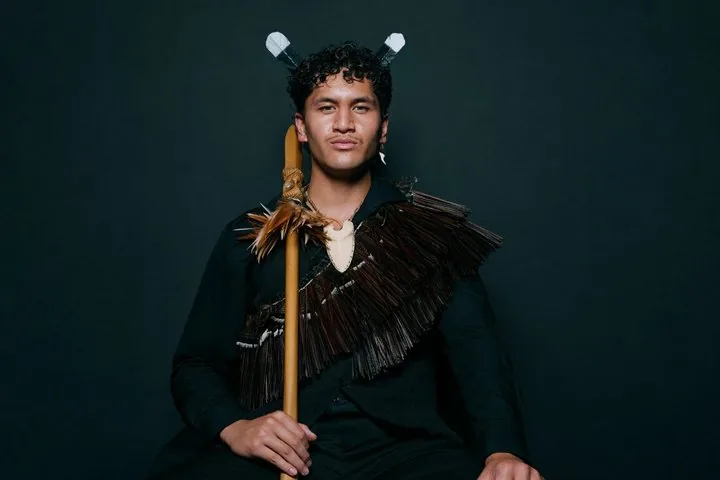
Te Pā Tū: Māori Cultural Experience & Seasonal Feast
- 4.8/5 (1,703 reviews)
- 3 hours
- Free cancellation
- Operated by Te Pa Tu - The Gathering Place
Includes Traditional welcome ceremony · Māori fusion feast · In-vehicle air conditioning
You'll choose your date and complete the booking on Viator. Reserve now, pay later on most departures.
The four price tiers, with real examples
Adult prices at the operators on this site range from $21 for a standalone cultural performance to $176 for a premium evening combination. These are current figures from our booking partner and can shift slightly — treat the ranges below as a guide, and check the live price before you pay.
| Tier | Price range | Example |
|---|---|---|
| Short cultural performance | $21–$33 | Cultural Performance at Whakarewarewa, Whakarewarewa village tour |
| Guided cultural or geothermal experience | $53–$86 | Te Puia Te Rā, Voyages of Māori at Mitai, Te Rā + Haka |
| Culture + hāngī evening | $103–$170 | Mitai evening, Te Puia Te Pō, Te Pā Tū |
| Premium combination | $176 | Te Puia Te Pō Combo |
Other Experiences
Other experiences you might enjoy
More ways to experience Māori culture in Rotorua — all bookable with free cancellation.
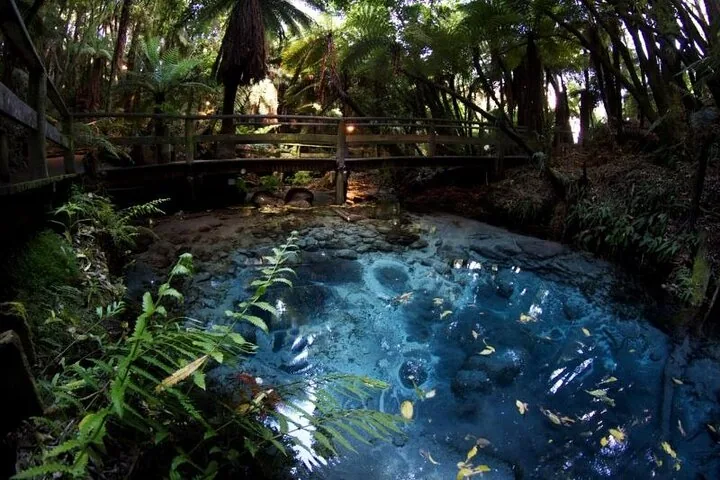
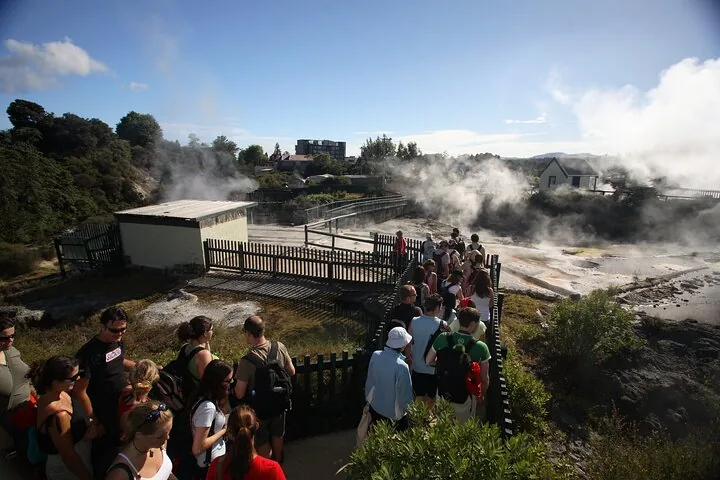
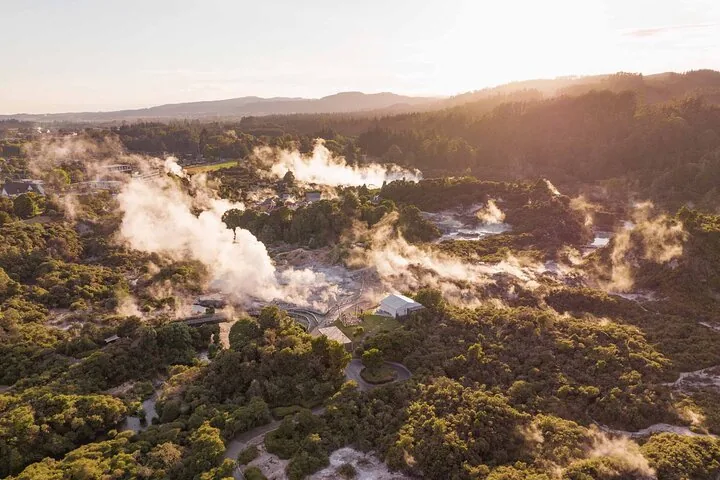
Why prices differ so much
“Māori cultural experience” describes very different products under one label. One ticket might include a 30-minute show and nothing else. Another might include a formal welcome, guided storytelling, village exploration, haka, waiata and poi, a waka presentation, hāngī preparation, a buffet dinner, a forest walk, a geothermal attraction, and transport — eleven components on a single ticket. The more useful comparison is price per experience, not the headline number.
What’s included at each tier
At the lower end, you’re usually paying for a performance or a focused guided visit without a meal — Whakarewarewa’s cultural performance is the clear example, letting you see haka, poi, song and dance without paying for dinner. This tier suits you if you mainly want an introduction to Māori performing arts, already have lunch or dinner plans, have limited time, or want to keep the Rotorua budget under control.
Around $53–$86, experiences usually become more substantial: guided cultural interpretation, a village element, a geothermal attraction, a longer performance, traditional arts, and sometimes a meal — a good compromise between a short show and a full evening. From $103–$170, you’re looking at fuller programmes with food, where the extra cost pays for more than dinner: longer duration, more cultural interpretation, extra programme components, evening staffing, catering, and additional natural or village settings. If you’d otherwise pay for dinner separately anyway, the package becomes easier to justify.
The $176 tier combines several attractions on one ticket — culture plus a geothermal valley, or a hāngī plus cultural show plus night experience — and makes most sense when you’d have paid for the additional attraction regardless. A cheaper ticket doesn’t mean a worse experience; it usually just includes less around the cultural performance. If haka and performing arts are your priority, paying for a geothermal component or extended dinner you don’t want can be poor value in the other direction.
Is hāngī included, and what about haka and geothermal access?
Only if the ticket explicitly states it — never assume a venue known for hāngī includes it on every product. Look for wording like “Hāngī Dinner,” “Hāngī Buffet,” “Hāngī Lunch” or “Meal Included,” and if it isn’t listed, assume it isn’t included. Haka is different — many cultural-performance tickets include it, including the cheaper ones, and you don’t need the most expensive ticket just to see it.
Geothermal attractions are included sometimes, not always. Te Puia combines Māori culture with the Whakarewarewa geothermal landscape, and Whakarewarewa itself offers geothermal elements in both separate and combined products — worth checking closely if geothermal sightseeing is already part of your Rotorua plan, since it can meaningfully change the value of the ticket.
Children, families, transport and extras
Children are usually cheaper, and very young children may be free, but age bands differ between venues — check the child age range, infant rules, whether a family ticket exists, whether the child’s meal is included, and whether infants still need to be booked. A family ticket can save a meaningful amount for two adults travelling with several children, but always compare the family-ticket total against buying each ticket separately rather than assuming it’s cheaper.
Transport is included sometimes, and it needs to be requested rather than assumed on tickets where it isn’t automatic — see the meeting points and transport guide for exactly which operators include it. A complimentary transfer can add real value, since it saves two taxi journeys and means nobody has to drive after dinner. Don’t assume every drink is included with dinner either — check water, tea and coffee, soft drinks, alcohol, welcome drinks and bar purchases before you go.
Which ticket offers the best value
There’s no single answer, because “best value” depends on what you want:
- If you mainly want a cultural performance, choose a short standalone show.
- If you want cultural depth without dinner, choose a guided village or cultural experience.
- If you want dinner anyway, choose a hāngī evening.
- If you also want geothermal Rotorua, choose a culture-plus-geothermal combination.
Before comparing tickets, check the same features on each: adult and child price, duration, whether haka and hāngī are included, whether a guided village or geothermal element is part of it, whether a waka presentation is included, transport, cancellation terms, family rates and any extra fees. And if you’re comparing a direct booking against a third-party one, compare the exact product, date, final checkout total, currency, inclusions and cancellation terms — a lower headline price isn’t necessarily cheaper once everything else is accounted for.
A premium experience is expensive next to simple attraction admission, but a three-hour evening can replace a paid attraction, dinner, evening entertainment, a cultural tour and sometimes transport all at once — which is the fairer comparison to make. To spend less: choose a performance without dinner, visit during the day, check family tickets, avoid paying twice for geothermal access if you’re visiting it separately anyway, and compare direct against third-party prices. Paying more makes sense when the extra cost buys something you genuinely planned to do anyway — a hāngī, a major geothermal attraction, hotel transport, or a complete evening programme. The goal isn’t the absolute cheapest ticket; it’s not paying for components you don’t need.
Frequently Asked Questions
How much does a Rotorua Māori experience cost?
From $21 for a cultural performance on its own at Whakarewarewa, up to $176 for a full evening at Te Puia with dinner. The daytime village tour is $33, Te Puia’s daytime Te Rā experience is $64, Mitai’s evening with hāngī is $103, and Te Pā Tū is $170.
Is hāngī included in every ticket?
No — only when the listing explicitly says so, using wording like “Hāngī Dinner,” “Hāngī Buffet” or “Meal Included.” Never assume a venue known for hāngī includes it on every product it sells.
Do I need to pay extra for transport?
Sometimes. Te Pā Tū includes return transport on every ticket, Mitai offers limited complimentary transfers that need requesting, and Te Puia’s tickets don’t include pickup at all. Check the specific ticket rather than assuming.
Are children’s tickets cheaper?
Usually, and very young children may be free, but age bands and inclusions differ between venues. Check the child age range, whether the child’s meal is included, and whether a family ticket beats buying separately before you book.
Is the cheapest ticket always the best value?
No. A cheaper ticket usually just includes less around the cultural performance — that’s the right choice if performance and haka are your priority, but poor value if you specifically wanted the hāngī, the geothermal element or the transport that a pricier ticket bundles in.
Pick Your Format, Then Your Evening
A village walk, a geothermal visit, an evening pōwhiri and hāngī, or a day on the land with an iwi guide — thirteen experiences compared, with free cancellation on every one.
Check Availability & Book