What to Know Before You Book a Rotorua Māori Experience
What's included, whether it's worth it, how long it takes, and the booking mistake most first-timers make — everything to check before you book a Rotorua Māori experience.
Rotorua is one of the few places in New Zealand built around visitor-facing Māori culture, and the choice is bigger than it first looks: a formal evening welcome and feast, a daytime walk through a village where people still live, a geothermal valley with working carving and weaving schools, or a guided day on the land. They are not interchangeable, and the most common regret is booking one and only afterwards discovering it wasn’t the one you wanted.
Check Availability
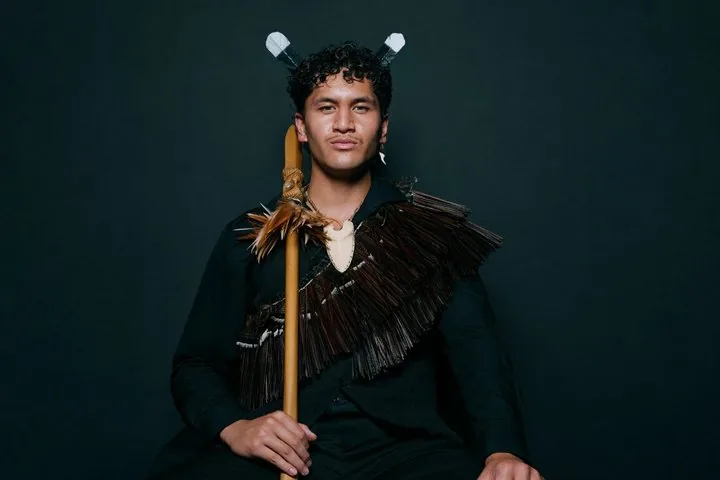
Te Pā Tū: Māori Cultural Experience & Seasonal Feast
- 4.8/5 (1,703 reviews)
- 3 hours
- Free cancellation
- Operated by Te Pa Tu - The Gathering Place
Includes Traditional welcome ceremony · Māori fusion feast · In-vehicle air conditioning
You'll choose your date and complete the booking on Viator. Reserve now, pay later on most departures.
What’s actually included — the mistake that catches first-timers
“Māori cultural experience” covers a wide range of ingredients, and no single ticket includes all of them. Depending on what you book, you might get a formal welcome or pōwhiri, haka, waiata, poi, storytelling and explanations of Māori history and values, traditional weapons demonstrations, carving and weaving, a hāngī meal, a waka or ceremonial canoe presentation, a guided village or forest walk, and geothermal features — but rarely every one of those on a single ticket.
A listing that says “Māori cultural experience” does not automatically include a meal. Our first-time visitor’s guide explains what the different elements are. That single assumption causes more disappointment than any other booking mistake in this niche: a visitor books what they think is a dinner show and turns up to a performance-only ticket with nothing to eat. Before you pay, check specifically:
- whether a meal is included, and whether it’s lunch or dinner
- whether drinks are included
- dietary arrangements
- duration
- transport
- exactly what the performance covers
A venue can sell several different products under one name — general admission, a guided village or geothermal tour, a cultural performance on its own, a hāngī meal, or a full combined evening — so check the inclusions on the specific ticket rather than booking on the venue name alone. Haka is a good example: most of the major Rotorua performances include it, but never assume every ticket does without checking.
Other Experiences
Other experiences you might enjoy
More ways to experience Māori culture in Rotorua — all bookable with free cancellation.
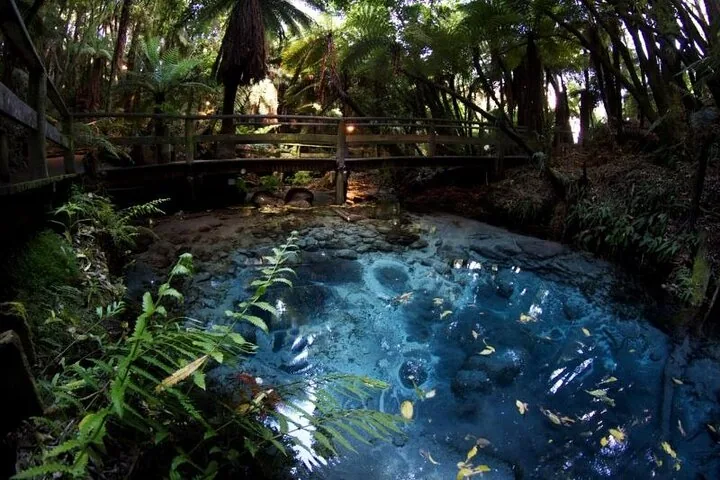
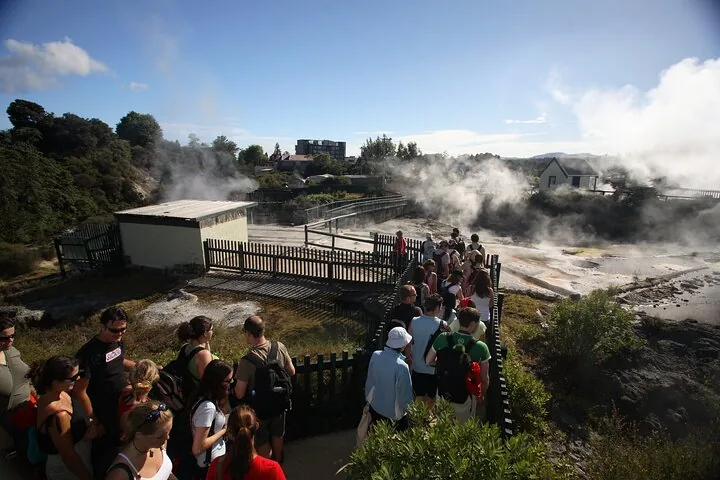
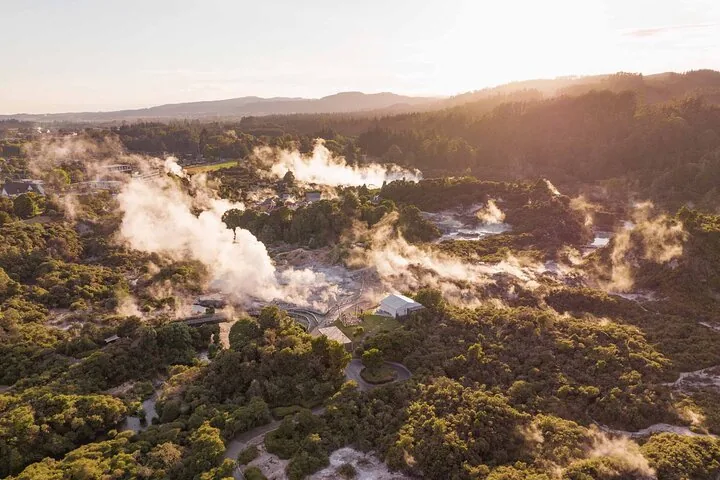
What is a hāngī, and how long does it take?
A hāngī is the traditional Māori method of cooking food on stones heated in a fire and buried in an earth oven. At visitor experiences today, a hāngī meal typically includes meat, chicken, kūmara and vegetables, usually served as part of a wider buffet. If trying hāngī is the reason you’re booking, confirm the exact ticket states a meal is included — see what a hāngī dinner and concert evening involves for the full breakdown, including which operator is the only one that lifts the baskets out of the ground in front of guests.
Length varies a lot by format:
| Experience style | Typical time |
|---|---|
| Cultural performance only | Around 30–60 minutes |
| Cultural village experience | Around 1–1.5 hours |
| Hāngī lunch + culture | Around 2 hours |
| Hāngī dinner + cultural experience | Around 2.5–3 hours |
| Culture + geothermal combination | 3–4.5 hours |
Always check the duration on the booking page itself, since programmes and departure times can change.
Is it worth it, and daytime or evening?
For a first visit to Rotorua, a genuine cultural experience is one of the easiest ways to understand why the area matters beyond its geysers and mud pools. A well-run one provides context rather than spectacle — instead of simply watching a haka, you hear what it means; instead of looking at carving as decoration, you learn how the art, the whakapapa and the place connect. It matters most if you’re visiting New Zealand for the first time, travelling as a family or multigenerational group, or specifically want to try a hāngī.
If your time is short, you don’t need the longest package to get that. Evening programmes suit visitors who want a fuller atmosphere and can use the day for Rotorua’s lakes, geothermal attractions or the Redwoods — but daytime works better if you’re passing through, already have dinner plans, are travelling with young children, or want to combine culture with geothermal sightseeing in the same visit.
What happens during the performance
A cultural performance can include waiata (songs), poi, haka, traditional instruments, demonstrations of traditional weaponry, and explanations of the customs behind what you’re watching. Haka is usually the element overseas visitors recognise first, but it is only one part of a wider performance tradition — you don’t need any prior knowledge, and a good visitor experience explains what you’re seeing rather than assuming you already understand it.
Which type should you choose
Culture, hāngī and evening atmosphere. Look for a dedicated evening experience — Te Pā Tū, Mitai or Te Puia’s Te Pō. All three run a similar shape — welcome, concert, meal — but differ enough in price, setting and whether you see the hāngī lifted that they’re worth comparing directly; see Te Pā Tū vs Mitai vs Te Puia.
Māori culture plus geothermal scenery. Te Puia is the obvious pairing, built around Pōhutu Geyser and the national carving and weaving schools. Whakarewarewa also links daily life closely to the geothermal landscape, and the two are commonly confused for good reason — see Whakarewarewa vs Te Puia for what separates them.
A living-village experience. Whakarewarewa is the clearest way to visit a real, currently-lived-in Māori community rather than a staged reconstruction.
A shorter cultural introduction. Choose a performance on its own, without the full dinner programme — the cheapest genuine way to see kapa haka in Rotorua. Every format, cost and length is compared in our guide to Rotorua Māori cultural shows.
If none of those has settled it, our full decision guide walks through the choice in order — day or evening first, then meal, then operator.
What to expect logistically
Transport. Not every experience includes a car ride there and back. Some evening experiences offer complimentary transfers from selected accommodation; others expect you to drive, taxi or arrange your own way — check before you book rather than after. See our full guide to meeting points, pickups and transport for exactly which operators include what.
Accessibility. This varies because some experiences include forest paths, village environments, stairs or uneven ground. If anyone in your group uses a wheelchair or has limited mobility, ask specifically about steps, gradients, walking distance, accessible toilets, performance seating, dining access and shuttle arrangements.
Children. Most experiences are suitable for all ages, and children often respond well to the music, haka, poi and movement between different parts of the programme. For very young children, duration matters more than content — a 60–90 minute cultural experience is usually easier to manage than a full three-hour evening.
What to wear. No formal clothing is required. Comfortable walking shoes, weather-appropriate clothing, a warm layer for evenings and a waterproof jacket when needed cover most experiences — parts of several are outdoors.
Photos. Policies vary by venue. Photography is often permitted in designated areas, but follow your hosts’ guidance, particularly around ceremonial or culturally sensitive moments.
Frequently Asked Questions
Should you book a Rotorua Māori experience in advance?
Yes, especially for a specific evening, a hāngī dinner, hotel pickup, a weekend or holiday date, or several seats together. If a cultural evening is one of the main reasons you’re visiting Rotorua, there’s little advantage in leaving it until you arrive.
Can you book the same day?
Sometimes, provided places remain, and it works best when you’re flexible about the venue and time. If you’re booking late, check the start time, the required check-in time, transport availability, meal availability and any child ticket rules before you commit.
How early should you arrive?
Treat it more like a theatre performance or guided tour than ordinary attraction admission — aim to arrive 15–30 minutes early unless your booking says otherwise, since late arrivals can miss scheduled parts of the programme.
What should you check before paying?
Duration, whether a cultural performance and haka are included, whether a hāngī meal is included, any guided village or geothermal element, transport, accessibility, child age bands, dietary requirements, cancellation terms, the exact meeting point, and weather exposure. These details matter more than a small difference in price.
Do you need a car?
Not always — some experiences offer accommodation transfers, and taxi, rideshare and self-driving all work for the rest. If transport matters to your plans, arrange it while booking rather than assuming it’s automatically included; see the meeting points and transport guide for which operators include what.
Is there a best time of year to visit?
Not really — these experiences run year-round, and the performance and meal are indoors or under cover. For most first-time visitors, the best Rotorua Māori experience is the one that matches the rest of the itinerary: a complete evening if you want performance, hāngī and storytelling together, or a daytime visit if you’re maximising a short stay.
Pick Your Format, Then Your Evening
A village walk, a geothermal visit, an evening pōwhiri and hāngī, or a day on the land with an iwi guide — thirteen experiences compared, with free cancellation on every one.
Check Availability & Book