Which Rotorua Māori Experience Is Right for You?
Four formats, thirteen tours, $21 to $176. Work out whether you want a village, a geothermal valley, an evening feast or a day on the land — then which operator.
Rotorua sells thirteen bookable Māori experiences and almost every “best of” list ranks them against each other as if they were competing versions of one product. They are not. A $21 half-hour performance and a $176 evening with dinner are not cheap and expensive versions of the same thing; they are different things. Pick the format first and the operator question mostly answers itself.
Check Availability
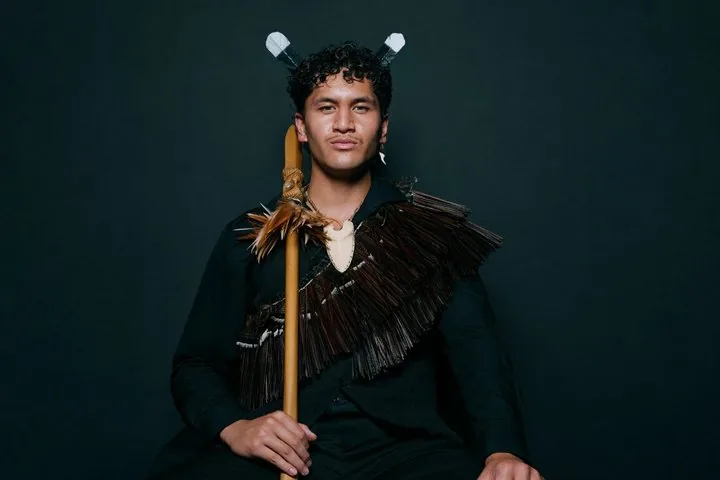
Te Pā Tū: Māori Cultural Experience & Seasonal Feast
- 4.8/5 (1,703 reviews)
- 3 hours
- Free cancellation
- Operated by Te Pa Tu - The Gathering Place
Includes Traditional welcome ceremony · Māori fusion feast · In-vehicle air conditioning
You'll choose your date and complete the booking on Viator. Reserve now, pay later on most departures.

Question one: day or evening?
This is the fork that decides everything else, and it is worth being honest about what each one is.
An evening experience is built as a pōwhiri — a formal welcome onto a marae. Your group is treated as manuhiri, visitors, with obligations: you choose someone to represent you, you stand silent through a wero delivered at close range with a taiaha, and you sing a waiata back to your hosts. Then a kapa haka concert of forty-odd minutes, then a meal. It runs two to four and a half hours, costs $85 to $176, and usually includes transport. It is the fullest single thing you can do, and if you only have one slot, this is it.
A daytime experience is a visit, not a welcome. You walk in, you are guided, you leave. It costs $21 to $86, takes thirty minutes to three hours, and includes no meal. What it gives you instead is the thing the evening cannot: the ordinary, working reality of a place — a family’s cooking vent in daily use, a carving student mid-chisel, a geyser going off over a valley people have lived in for centuries.
They are not substitutes, and the best answer for most people with two free slots is one of each, at different venues. Our guide to a Māori experience with dinner vs cultural show only shows what each format includes.
Other Experiences
Other experiences you might enjoy
More ways to experience Māori culture in Rotorua — all bookable with free cancellation.
Question two: what do you want the place to be?
Assuming you are choosing a daytime visit, there are two genuinely different sites and they are constantly confused.
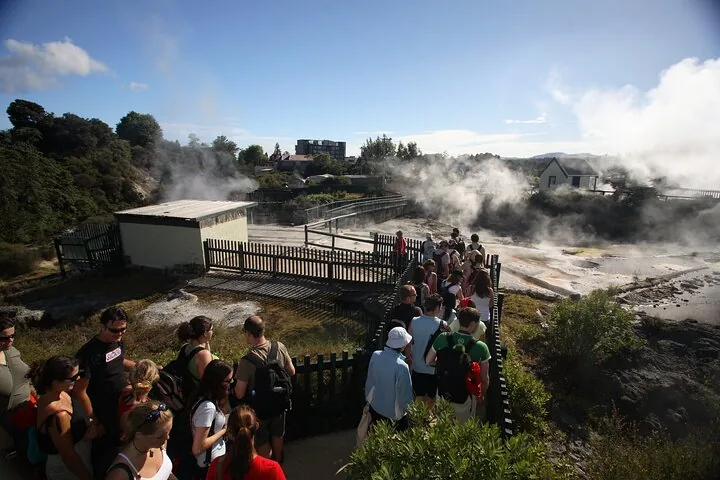
Whakarewarewa is a village where people live. Tūhourangi Ngāti Wāhiao families cook in the steam vents and bathe in the geothermal pools, and the guided village tour — $33, about an hour — is led by direct descendants of the guides who shaped New Zealand tourism a century ago. The subject is how a community actually functions on an active geothermal field.
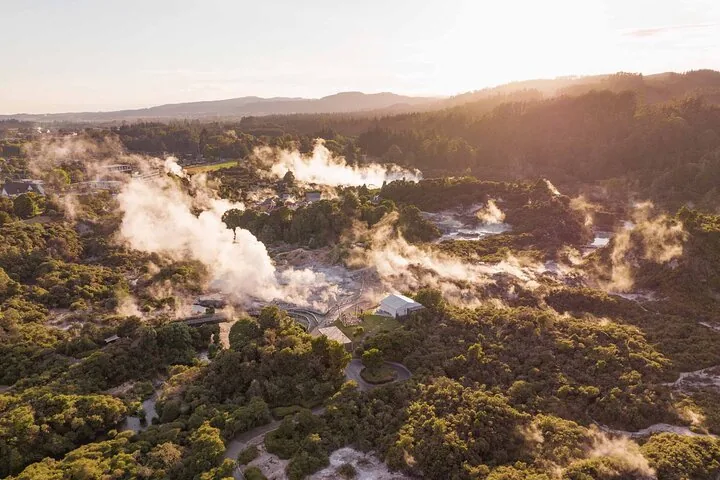
Te Puia is a 60-hectare cultural centre in the same valley, built around Pōhutu Geyser and the New Zealand Māori Arts and Crafts Institute, where carving and weaving are taught. The Te Rā guided experience is $64 for ninety minutes and takes in the geyser, the carving and weaving schools, and the kiwi conservation centre.
The two were once one entity. Today they are separate organisations with separate entrances — Tryon Street and Hemo Road — and a bolted gate between them, and one ticket does not admit you to the other. If you have budgeted a single “Whakarewarewa valley” visit and turned up at the wrong gate, this is why. The full comparison is here.
Question three: how much does the meal matter?
If you have chosen an evening, the meal is where the three big operators genuinely diverge, and it is worth deciding before you book rather than discovering afterwards.
Mitai is the only one that opens the hāngī pit in front of guests and lifts the baskets out of the ground. If the phrase “cooked in the earth” is the reason you are booking, this is the only operator that shows you. It is $103, and the evening also includes warriors on a waka taua and a closing bush walk to glow worms.
Te Puia’s Te Pō cooks traditionally but serves straight to a buffet at the Pātaka Kai restaurant overlooking the geothermal field, then walks you down to Pōhutu Geyser after dark with a hot chocolate. $124. It is the only evening that puts you inside an active geothermal valley at night.
Te Pā Tū serves a plated seasonal menu rather than a buffet, following the maramataka — the Māori lunar calendar — so the food and the waiata change through the year. It is the most-reviewed experience in Rotorua by a wide margin, at $170. Two visits in different seasons are genuinely different evenings.
All three are hāngī in the technical sense. Only one of them is a hāngī you watch. The three-way comparison goes further into which suits which kind of traveller.
Question four: are you sure you want a venue at all?
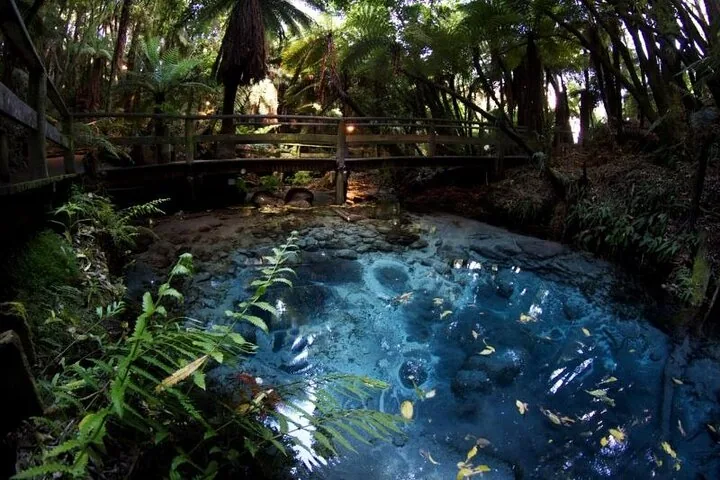
There is a fourth format that most lists ignore. Whirinaki Forest Footsteps leaves Rotorua for a podocarp rainforest of thousand-year-old tōtara, opens with a mihi whakatau rather than a staged welcome, and spends seven hours on the land — rākau rongoā, the medicinal plants, and the birds. There is no performance and no feast. It costs $167 including transport and lunch.
It is the least “product-shaped” thing on this list, and for a certain kind of traveller it is the only one worth doing. It is also the one to add as well as a Rotorua venue, not instead of one — it answers a different question.
If you want the short version
- One evening, and you want the full thing: Te Pā Tū, $170. Most reviewed, seasonal menu, transport included.
- One evening, and you want to see the hāngī lifted: Mitai, $103.
- One evening, and you want geothermal after dark: Te Puia Te Pō, $124.
- One daytime visit, and you want a real village: Whakarewarewa guided tour, $33.
- One daytime visit, and you want geysers and carving: Te Puia Te Rā, $64 — or $86 with a haka performance added, which is the best-rated ticket on this site.
- Smallest budget: the $21 cultural performance at Whakarewarewa. Thirty to forty minutes, performed by the people who live there.
- A whole day, no performance: Whirinaki, $167.
- Two slots: a daytime village or valley visit, plus an evening at a different venue.
Every one of these books with free cancellation. Evening sittings are capped by coach and table capacity and do sell out days ahead in summer, so reserving early costs nothing and waiting can cost you the date.
Frequently Asked Questions
Which Māori experience is best in Rotorua?
There is no single best one, because the four formats answer different questions. For one big evening with a formal welcome, a concert and a meal, Te Pā Tū has the most reviews and the highest rating of the evening options. For understanding how people live on a geothermal field, the daytime guided tour at Whakarewarewa is the only experience of its kind. For geysers and the national carving schools, Te Puia by day. For a day on the land with iwi guides, Whirinaki.
Can I do more than one in a day?
Yes, and it is the most common two-experience pattern in Rotorua. Daytime formats run thirty minutes to three hours, so a village or valley visit fits into a morning or afternoon and leaves the evening free for a pōwhiri and feast at a different venue. Doing both at the same venue is the combination worth avoiding — that is where the repetition is.
Is the most expensive one the best?
Not automatically. The $86 Te Rā-plus-haka combo at Te Puia is the highest-rated experience on this site at 4.9, above every evening option, and it costs half what the top evening does. Price here tracks what is included — transport, a performance and a meal — rather than quality.
Do I need to book ahead?
For evenings, yes. They are capped by coach and table capacity and sell out days ahead over summer, and Te Puia’s daytime Te Rā experience is flagged as likely to sell out too. Everything on this site cancels free, so there is no downside to reserving the date early.
Is there a free option?
No. All four venues are ticketed and the revenue supports the communities and arts schools that run them. The cheapest genuine experience is the $21 performance at Whakarewarewa. Rotorua’s lakefront waka and the Government Gardens are free to walk past, but that is sightseeing, not an experience.
Pick Your Format, Then Your Evening
A village walk, a geothermal visit, an evening pōwhiri and hāngī, or a day on the land with an iwi guide — thirteen experiences compared, with free cancellation on every one.
Check Availability & Book